

After a 40-day period of intense conflict, the Iran war has now entered a relatively calm phase. Iran and the U.S. declared a temporary ceasefire on April 8 to facilitate discussions aimed at resolving the ongoing conflict. Despite persistent issues such as the blockade in the Strait of Hormuz and Israel’s airstrikes on Iran’s ally Hezbollah in Lebanon, the conflict’s intensity has notably decreased since the ceasefire announcement.
However, within Iran itself, the situation remains largely unchanged. While the frequency of attacks has reduced, the authoritarian regime’s strict control persists without any indication of weakening. Leila, a 40-year-old physician from a small northern Iranian city near the Caspian Sea, highlighted the severe communication restrictions in the country. Due to intense surveillance, individuals are hesitant to even communicate with close friends via SMS or phone calls. Limited internet access, primarily through Starlink, is costly, further isolating people from external communication.
The Iranian government’s crackdown on information flow, including imposing internet blackouts, has severely impacted businesses and entrepreneurs reliant on online platforms. The scarcity of accessible internet, mainly through Starlink terminals, has led to exorbitant data prices, causing significant financial strain. Possession of Starlink terminals has been criminalized, with the government actively seeking to confiscate them, resulting in a near-total information blackout across the country.
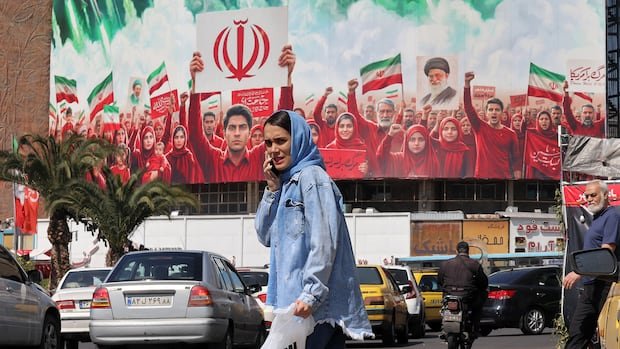
The regime’s propaganda efforts to control the narrative and boost morale among the populace by claiming victories over foreign adversaries have largely been met with skepticism. The persistent dissemination of messages and checkpoints promoting nationalistic sentiments has failed to resonate with the population, many of whom have grown disillusioned with the regime’s tactics.
Additionally, the regime’s attempts to stifle communication extend beyond its borders. Yasmin, a dentist in Tehran, experienced restrictions firsthand when attempting to speak to foreign media at the Turkish border. Despite significant losses in key leadership figures due to targeted airstrikes, the regime’s grip on power remains firm, defying expectations of a swift collapse.
Leila expressed surprise at the regime’s resilience, noting the escalating discontent among Iranians following the January protests. While hopes for regime change surged at the war’s onset, the regime’s steadfastness has dampened expectations of an imminent downfall. As the conflict persists, uncertainties loom, with Leila foreseeing a prolonged war involving all parties.
Despite recent high-level negotiations between the U.S. and Iran, the failure to reach a resolution has heightened tensions, with Trump threatening a full blockade of the Strait of Hormuz. Leila anticipates a protracted conflict, underscoring the entrenched positions of all involved parties, suggesting a prolonged and uncertain future for Iran and the region.