
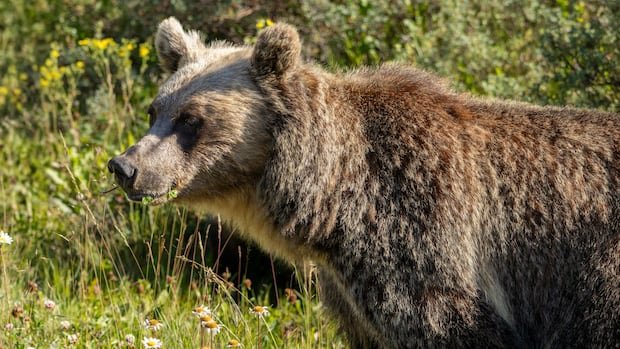

In recent months, there has been a notable increase in the number of grizzly bears hunted and killed by authorized hunters under the Alberta government’s Wildlife Management Responder Network. This year alone, 13 grizzly bears have been killed through the program, with 11 of those occurring within the last three and a half months, primarily due to livestock predation.
Since its establishment in June 2024, a total of 14 grizzly bears have been hunted by participants in the program, with only one bear being killed in 2025. The program enlists qualified Albertan hunters who are selected to respond to situations where the province deems it necessary to remove a grizzly bear.
The Alberta Ministry of Forestry and Parks emphasized that their wildlife management strategy is grounded in scientific principles and expert advice, focusing on public safety, conflict reduction, and the ongoing recovery of grizzly bear populations. Grizzly bear deaths authorized by the program have all occurred outside designated recovery areas.
Designated as a threatened species by the Alberta government in 2010, grizzly bears fall under provincial guidelines for management, taking into account factors such as attacks on livestock, pets, or humans when deciding how to address incidents. An average of 11 grizzly bears were lethally removed annually from 2021 to 2025.
Although hunting grizzlies has been prohibited in Alberta since 2006, exceptions are made for Indigenous hunters for subsistence or cultural reasons. The removal of grizzly bears through the Wildlife Management Responder Network is not classified as hunting, as authorizations are granted on a case-by-case basis without tags.
Despite the rise in grizzly bear killings by the wildlife responder program, the province stated that the overall human-caused bear mortality in 2026 is lower than usual, marking the second-lowest rate since 2010. The province affirmed its commitment to achieving recovery goals for grizzly bears and implementing proactive management strategies where conflicts are more prevalent.
Most of the grizzly bear incidents occurred in southwestern Alberta, an area with the highest grizzly bear population density in the province, according to research. Effective coexistence measures are crucial in regions where grizzly bear habitats intersect with human-populated areas like ranches and livestock operations.
The province has recognized the need for diverse management solutions, including coexistence programs, conflict mitigation efforts, population monitoring, and selective lethal removals when required. In 2024, the government pledged $700,000 over five years to safeguard rural properties in southwestern Alberta from large carnivores by implementing measures like electric fencing and removing dead stock.
While the province estimates around 1,000 grizzly bears inhabit Alberta presently, there hasn’t been a comprehensive provincial grizzly bear population study since 2018, underscoring the ongoing need for research and management initiatives.