
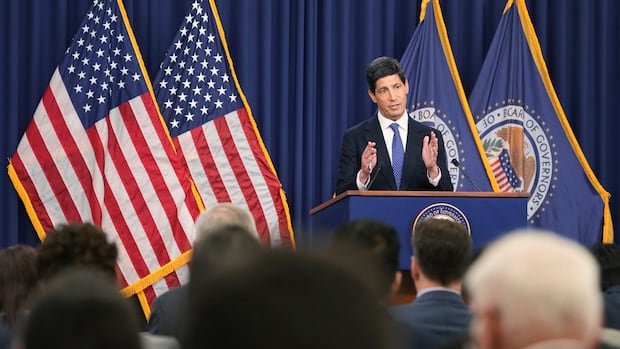

The U.S. Federal Reserve increased its benchmark interest rate on Wednesday for the first time since 2023 to tackle persistent high inflation. The central bank hinted at the possibility of another rate hike later this year.
The quarter-point raise brings the Fed’s key rate to approximately 3.9 percent and could potentially lead to elevated borrowing expenses for American mortgages, auto loans, and credit cards. This move comes amid challenges faced by Americans due to soaring prices of groceries, gas, and housing, with affordability becoming a key issue in the upcoming midterm elections.
In its quarterly projections, the Fed indicated that its rate-setting committee foresees a second rate hike later this year, targeting 4.1 percent. Fed Chair Kevin Warsh, appointed by U.S. President Donald Trump, stressed that the economy has been gaining momentum since the previous decision to maintain rates in late July. Inflation has persistently exceeded the Fed’s two percent target, showing no signs of abating.
Warsh emphasized, “Inflation has remained excessively high for an extended period.” The Federal Reserve policymakers unanimously endorsed the rate hike, stating that it would aid in achieving the two percent goal more promptly.
Additionally, Warsh attributed the support for rate hikes to renewed tensions between the U.S. and Iran, which have pushed up gas prices. Since assuming leadership at the central bank, Warsh has emphasized the Fed’s commitment to curbing inflation, aligning policy decisions with data trends.
The rate hike represents a shift for Warsh, who previously suggested lowering the key rate, echoing Trump’s stance on reducing borrowing costs. Despite Trump’s confidence in Warsh, he criticized the Fed board members as being overly political and emphasized that interest rates are excessively high.
The ongoing repercussions of the Iran conflict, leading to a significant rise in gas prices, pose risks of broader inflationary impacts on the economy. The latest inflation report revealed that core prices, excluding food and energy, had a slight uptick in August.
While uncertainties persist, domestic spending remains resilient, supported by consumer optimism and substantial investments by tech giants in AI data centers. Market analysts anticipate further rate hikes, with projections pointing towards additional increases in December and March.
The Bank of Canada may not experience similar pressures for rate adjustments immediately, as per economists. Both the Canadian and U.S. central banks typically align interest rate changes due to similar economic challenges. Despite Canada facing rising inflation driven by energy price surges linked to the Iran conflict, the inflation situation in the U.S. is considered more severe.
Canada’s economic conditions, marked by tariffs and elevated unemployment rates, differ from the U.S., leading to lesser urgency for rate hikes. Forecasts suggest that while inflation pressures are present in both countries, they are entering these challenges from distinct starting points. Consequently, the U.S. is expected to raise rates sooner than the Bank of Canada, with Canada potentially delaying any rate adjustments until 2027.