
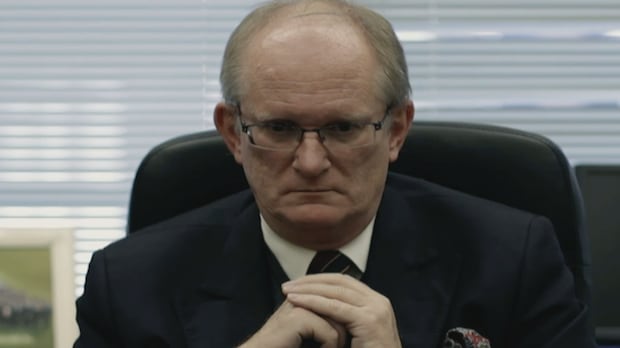

One by one, West Vancouver entrepreneur Fred Sharp has seen his support systems collapse. He has been mandated to pay over $70 million to the U.S. government and $2 million to Quebec’s securities regulator due to his involvement in schemes aimed at inflating share prices. Additionally, he faces a ban from Canadian stock markets. His banking and brokerage accounts have been frozen and are set to be seized. Sharp, identified as a key figure in the Panama Papers, has experienced a series of legal defeats in court.
However, Sharp remains a free man: despite earlier attempts by the Canada Revenue Agency to pursue criminal charges against him, he has yet to face prosecution in Canada. Although he was indicted by the U.S. Justice Department two years ago for securities fraud and conspiracy, there is no publicly available indication that an extradition process is underway.
Former financial crime investigators who have spoken to CBC News indicate that it is not uncommon for Canadian officials to prefer prosecuting individuals accused of cross-border white-collar crimes in the U.S., given the challenges of handling such cases in Canada.
“There is a consensus that criminal matters, including intricate white-collar crimes, can be managed far more effectively in the United States,” stated Peter German, a lawyer, anti-money laundering specialist, and former head of financial crime for the RCMP.
However, this necessitates that the defendants be apprehended and brought before a Canadian court for extradition proceedings, a step that has not occurred five years after Sharp was initially charged in the U.S. The reasons for this remain unclear.
Canadian figure in Panama Papers
When the Panama Papers were disclosed to the public a decade ago, Fred Sharp was identified as the head of a Vancouver organization that assisted affluent Canadians in transferring millions through tax havens. Sharp, who styled himself as a private banker with a downtown office, acted as the Canadian representative for Mossack Fonseca, the Panamanian law firm at the heart of the substantial leak of financial documents.
The leaked documents revealed that his company, Corporate House, facilitated the registration or management of over 1,100 offshore entities for its clients. A CBC investigation found that his firm was recognized as the “go-to” investment company for wealthy Canadians seeking to keep their assets confidential and offshore to reduce their tax liabilities.
Since that time, the situation has largely declined for the former lawyer and occasional short-film actor. Following the revelations from the Panama Papers, the Canada Revenue Agency commenced audits of him and several of his clients and employees. Sharp and his associates contested these audits, filing over 90 lawsuits against the CRA, but were unsuccessful in Federal Court and on appeal.
A year later, Quebec’s stock-market regulator, the Autorité des marchés financiers (AMF), lodged allegations against Sharp and four other individuals for participating in an illegal, multimillion-dollar pump-and-dump scheme involving shares of a mining company named Solo International. Sharp and three others challenged the AMF’s authority all the way to the Supreme Court of Canada but were unsuccessful, and last month the AMF’s tribunal ruled against them, imposing a total of $3.6 million in fines.
Audio recordings presented during the AMF hearings captured Sharp directing his private banker in Switzerland to execute actions that appeared to contribute to the stock price inflation of Solo, which Sharp and his associates were found to have almost entirely controlled.
Joven Narwal, Sharp’s Vancouver-based attorney, indicated that the tribunal’s decision will be appealed.
In 2021, the U.S. Securities and Exchange Commission (SEC) and the FBI brought civil and criminal fraud accusations against Sharp and several other individuals from British Columbia, alleging a long-term conspiracy to inflate and then sell dozens of penny stocks on U.S. markets.
According to allegations, Sharp and his associates established and managed a network of offshore shell companies and accounts globally, which they rented out to clients. These shell companies would secretly collaborate to acquire shares in publicly traded companies that were below the disclosure threshold, typically five percent. They would then work together to artificially inflate the stock price and sell it to unsuspecting investors.
This fraudulent scheme reportedly generated over a billion dollars in profits from 2011 to 2019, as stated by the SEC.
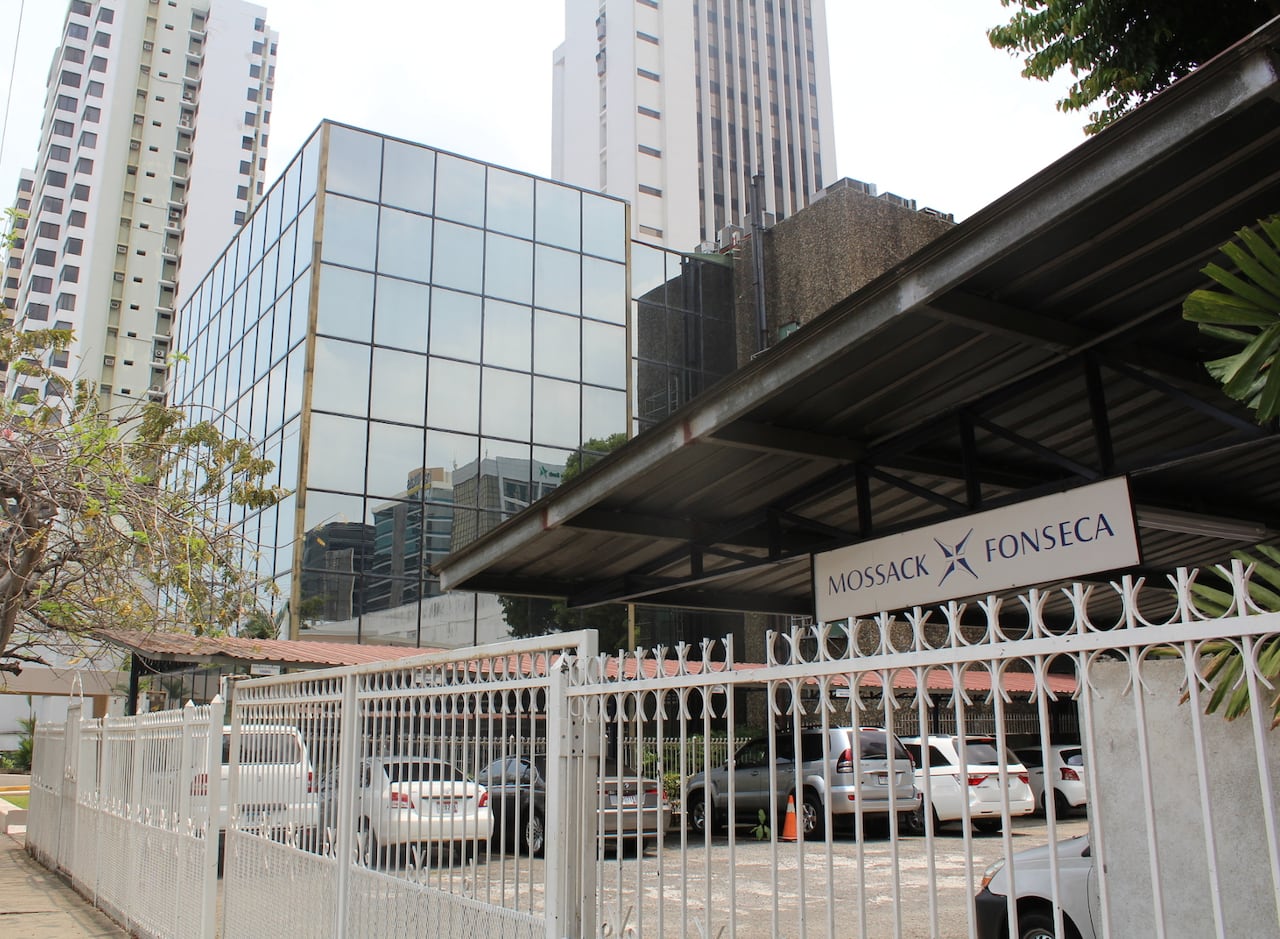
Fred Sharp was the Canadian representative for Mossack Fonseca, the law firm based in Panama City that established and managed offshore shell companies and accounts globally. (Mathieu Tourliere/Proceso)
Sharp did not contest the civil fraud claims in U.S. court, resulting in a default judgment against him in 2022, where a judge ordered him to pay $52.9 million US in penalties, interest, and the return of ill-gotten gains (referred to as “disgorgement”).
“For over ten years, Sharp operated as the architect of a service network aimed solely at enabling fraud. His operations were orchestrated as ‘masterful stock manipulations,'” the SEC stated in a court document, citing what it described as Sharp’s own writings.
The findings of the U.S. court revealed that Sharp provided an encrypted communication system, utilizing devices called “xPhones,” to his clients, which ran on servers located in Curaçao. He informed one client through an xPhone message that Corporate House’s offerings were “comprehensive; it is not limited to trading. It includes payments, loans, private placements and ensuring clients stay out of jail.”
Subsequently, the SEC sought to seize Sharp’s and his associates’ assets in British Columbia. Sharp appealed, lost, and is currently attempting to appeal to the Supreme Court of Canada.
“Mr. Sharp has utilized the legal avenues available to him to contest these actions, as anyone in his situation is entitled to do,” his attorney Narwal remarked, referring to Sharp’s various appeals.
The SEC did not disclose how much of the $52.9 million US order against Sharp has been collected to date. Quebec’s AMF indicated that it is taking steps to collect the civil fines imposed on Sharp and his co-defendants.
No record of extradition efforts
Despite his claims about avoiding incarceration, several individuals associated with Sharp or his clients — including two Canadians currently contesting extradition in B.C. — have been apprehended, and at least one has already served time in a U.S. prison.
Roger Knox, the British founder of a Swiss asset-management firm named Wintercap, was arrested in Mexico City in 2018 and transported to Boston to face securities fraud allegations. He pleaded guilty and became a cooperating witness for U.S. authorities against Sharp and others, stating that Sharp “offered people, banker clients, brokerage accounts to deposit shares where they did not have to declare them to either the regulators or the Canadian tax authorities.”
Knox testified that he visited Sharp at his vacation home in Puerto Vallarta, Mexico, for four or five days in the spring of 2018.
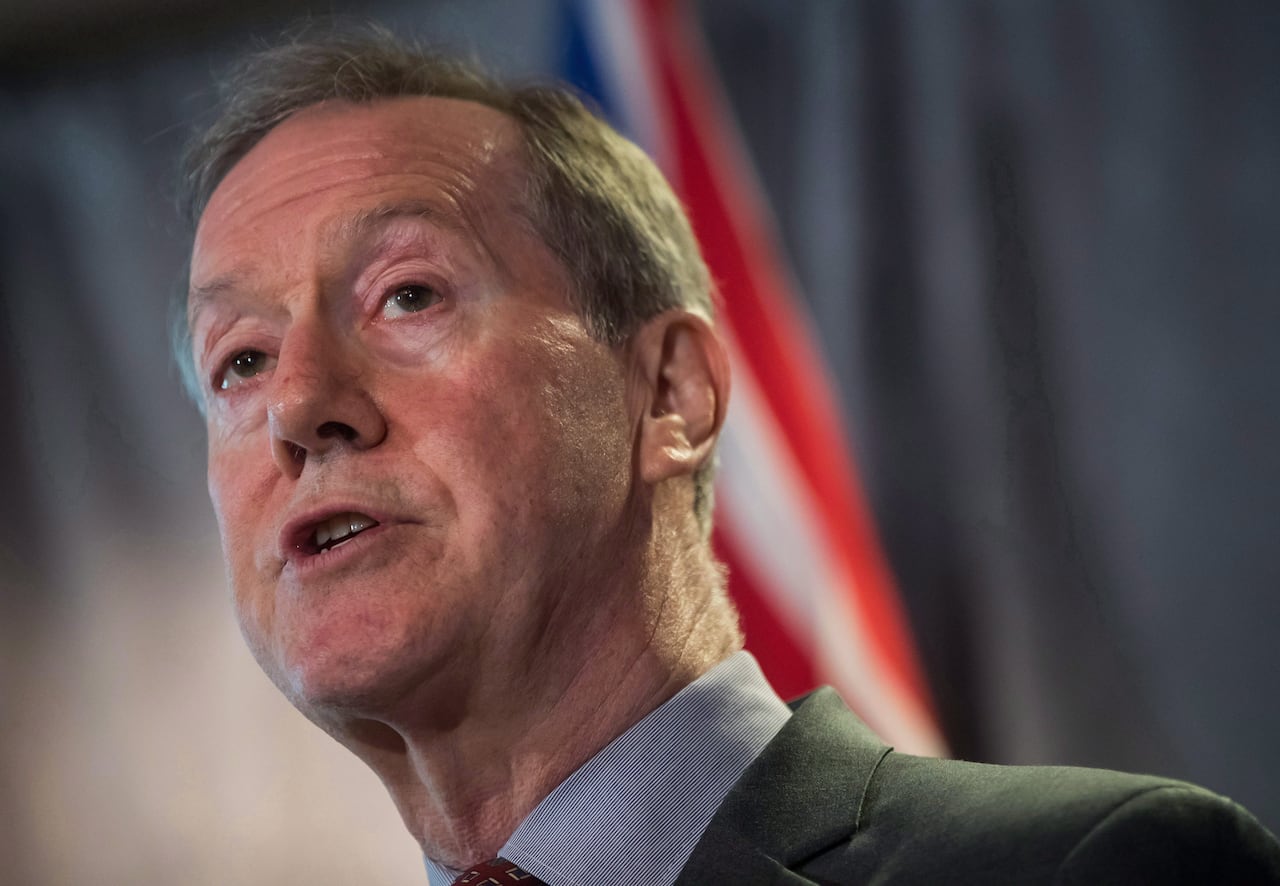
Peter German, former head of financial crime for the RCMP, noted that there could be many reasons why the United States might not promptly request the extradition of someone who has been criminally charged there. (Darryl Dyck/The Canadian Press)
Sharp resides in West Vancouver, one of the wealthiest areas in Canada.
CBC News was unable to find any records of extradition proceedings against him in British Columbia’s Supreme Court, and neither the Canadian nor U.S. Justice Departments would confirm whether a request for his extradition has been submitted.
Through his attorney, Sharp did not respond to inquiries regarding the U.S. criminal accusations and any potential extradition efforts.
Speaking in general terms and not specifically about Sharp’s case, German, the lawyer and financial crime expert, mentioned that various factors could affect the U.S. decision not to immediately seek extradition for someone it has indicted, including priorities and available resources.
“Often, when it comes to securities cases in the U.S.,” German explained, “there is a tendency to focus on recovering funds rather than pursuing individuals.”
Have a tip related to this or any other story? Reach out to reporter Zach Dubinsky: zach.dubinsky@cbc.ca or 416-205-7553.