
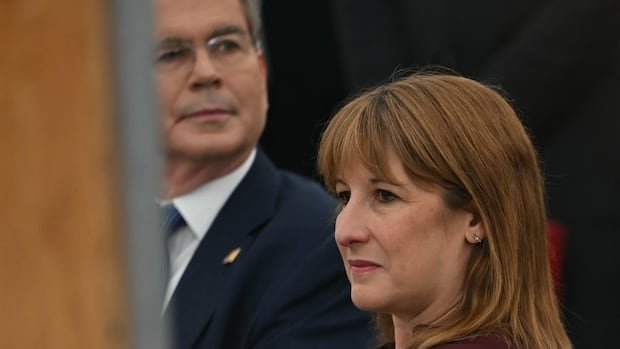

British Chancellor of the Exchequer Rachel Reeves reiterated her criticism of the Iran conflict as “foolish” ahead of her meeting with U.S. Treasury Secretary Scott Bessent and other American officials in Washington. Reeves and Canadian Finance Minister François-Philippe Champagne are among the global economic leaders convening for the spring meetings of the International Monetary Fund (IMF) and World Bank in the U.S. capital.
Despite previous commendation for British Prime Minister Keir Starmer’s handling of U.S. President Donald Trump, both Starmer and Reeves recently expressed frustration with the White House. Reeves, in an interview with the Mirror, labeled the war as one that Britain did not initiate or desire, leading to adverse impacts on British citizens.
According to the IMF, among G7 nations, Britain is forecasted to face the most significant economic repercussions due to the U.S.-Israeli conflict with Iran, which initially caused a spike in natural gas prices that Britain heavily depends on. The IMF downgraded Britain’s 2026 growth projection to 0.8%, anticipating a rise in the unemployment rate to 5.6% this year.
Reeves echoed Starmer’s concerns about the war’s effects on energy costs for British families, highlighting the lack of a clear strategy and exit plan by the U.S. government. Additionally, tensions have risen over Trump’s criticism of Britain’s energy policies and the U.S.’s stance on the Chagos Islands’ sovereignty transfer to Mauritius.
Amid growing discontent, Liberal Democrat Leader Ed Davey suggested canceling the impending royal visit to the U.S., citing concerns about Trump’s behavior. However, Starmer emphasized the historical significance of the monarchy in diplomatic relations during such challenging times.
As the U.S.-Iran conflict unfolds, Trump’s recent comments to British media outlets have added to the strain between the U.S. and the U.K. Despite pressures, Britain has affirmed its stance of not participating in the U.S.-imposed blockade of Iranian ports, emphasizing a commitment to diplomatic solutions.
The forthcoming state visit by King Charles to the U.S. starting on April 27 is anticipated to be a significant diplomatic event, amidst ongoing geopolitical tensions and uncertainties surrounding the conflict in the Middle East.