

Oil and gas drillers in Canada convened at the Hyatt Regency hotel in downtown Calgary on Monday after facing a challenging year. Despite this, there was a sense of cautious optimism among the industry members. The recent energy agreement between Alberta and Ottawa was described as a significant development that could potentially transform the sector. Another notable advancement discussed was Enhanced Oil Recovery (EOR), a technology that involves capturing carbon dioxide from industrial sources and injecting it underground to extract additional oil from reservoirs while storing the carbon dioxide underground.
Mark Scholz, the president of the Canadian Association of Energy Contractors, emphasized the impact of EOR on the conventional business, positioning Canada favorably compared to the United States, where a tax credit for EOR already exists. However, there was disappointment in the industry when Ottawa excluded enhanced oil recovery from its investment tax credit for carbon capture projects.
The recent memorandum of understanding between Alberta and Ottawa signaled a shift in policy support towards large-scale carbon capture projects, including those related to EOR. This move was welcomed by industry leaders as it not only benefits the environment but also enhances revenue generation for businesses. Alberta Premier Danielle Smith highlighted the potential of EOR during discussions with Prime Minister Mark Carney, emphasizing its importance for the province.
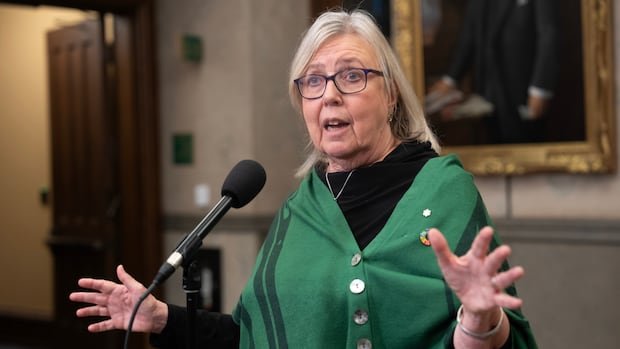
On the contrary, Green Party Leader Elizabeth May expressed strong opposition to the inclusion of enhanced oil recovery in the deal, considering it a reversal of commitments made earlier. She criticized the decision as a subsidy for oil production, contradicting efforts to combat climate change.
The debate surrounding EOR as a climate solution continues, with experts pointing out the complexities of its impact on emissions reduction. While EOR may lead to increased oil production, its overall contribution to lowering absolute emissions remains a subject of scrutiny. The inclusion of tax credits for EOR in the memorandum was defended by Federal Energy and Natural Resources Minister Tim Hodgson, stressing the importance of carbon sequestration as a positive environmental measure.
The agreement also paved the way for a new bitumen pipeline through British Columbia, with the caveat that the Pathways Plus project, focused on carbon capture and storage, progresses near Cold Lake, Alta. The evolving landscape of the oil and gas industry in Canada reflects a delicate balance between economic interests and environmental considerations.