

Residents of Fort McKay, Alberta, face ongoing challenges due to high levels of dust pollution originating from nearby industrial activities, according to a recent study. The study, published in Atmospheric Pollution Research, highlights the disproportionate impact of dust pollution on the community, surpassing regulatory air quality guidelines.
Led by University of Toronto researcher Kristin Iorio and Alberta-based experts, the study reveals that Fort McKay experiences severe dustfall events caused by large dust particles. These events, characterized by intense but brief peaks of thick dust settling over the area, often go unnoticed by conventional monitoring methods.
Over a 24-month period, the study found that Fort McKay exceeded Alberta’s Ambient Air Quality Guidelines for dustfall 17 times per month, exceeding acceptable thresholds nearly 20% of the time. The community received the highest amount of dustfall compared to neighboring areas, with levels significantly higher than in other locations.
The research emphasizes the need for improved monitoring and regulatory measures to address the impact of coarse particulate matter, which includes dust from industrial operations and construction activities. Current regulations in Alberta focus on monitoring fine dust particles (PM2.5) but lack specific guidelines for larger particles (PM10) that can pose health risks.
To address these regulatory gaps, the study recommends implementing real-time monitoring and establishing new air quality objectives for coarse particulate matter. Researchers advocate for enhanced monitoring in Fort McKay to track dust sources accurately and provide timely warnings to residents during severe pollution events.
Experts emphasize the importance of continuous monitoring to capture episodic pollution events that conventional monitoring practices may overlook. They highlight the need for updated regulations and ongoing research to assess the long-term health implications of dust pollution on communities like Fort McKay.
While the Alberta Energy Regulator and Fort McKay First Nation declined to comment on the study, Alberta Environment officials stated they would consider the findings alongside existing scientific evidence to evaluate potential changes to monitoring approaches and air quality guidelines.
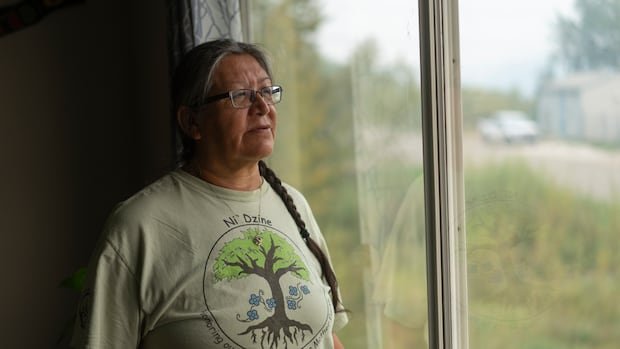
For Fort McKay residents like Jean L’Hommecourt, the study validates longstanding concerns about air quality and health risks in the community. Community leaders and researchers are advocating for improved monitoring systems and regulatory measures to safeguard public health and address ongoing air quality challenges.