
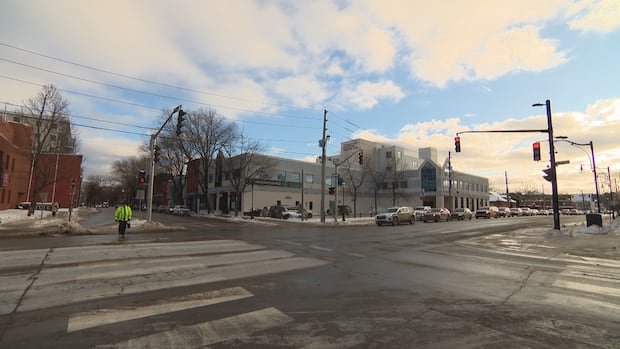

Fredericton Eyes Red-Light Cameras for Traffic Violations
Fredericton is considering the installation of red-light cameras at four key intersections to address ongoing issues with motorists disregarding traffic signals. The move comes following the introduction of legislation in New Brunswick allowing municipalities to utilize automated traffic enforcement technologies like red-light cameras and speed cameras.
In response to the call for vendors to provide information on available options and costs, the city is reviewing proposals to potentially procure red-light cameras. The targeted intersections for initial installation include Regent Street and Wayne Squibb Boulevard, Smythe and Prospect streets, Queen and Westmorland streets on the south side, and the Ring Road and Maple Street intersection on the north side.
The decision to explore red-light cameras stems from concerns over T-bone crashes and high-speed violations at intersections and corridors in the city. While details on the implementation timeline are pending, city officials are evaluating the feasibility of deploying the technology to enhance road safety.
One resident, Jeff Jardine, shared his firsthand experience of being involved in a collision caused by a red-light runner and expressed support for red-light cameras to prevent similar incidents. Studies have shown that red-light cameras can effectively reduce red-light violations and fatal crashes at intersections by enforcing traffic laws.
Despite the potential benefits of red-light cameras, municipalities are grappling with the revenue-sharing model, as all fines collected from traffic violations currently go to the provincial government. Discussions are underway to address this issue and explore revenue-sharing arrangements to make the adoption of traffic enforcement technology financially viable for local communities.
As Fredericton progresses with its plans to enhance road safety through red-light cameras, the focus remains on leveraging technology to deter traffic violations and protect drivers and pedestrians from the risks associated with reckless driving behaviors.