
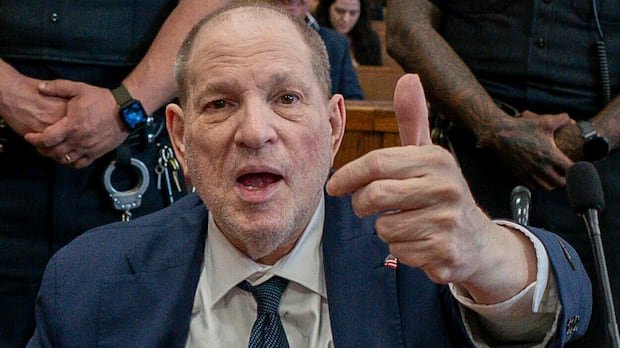

Harvey Weinstein is considering the possibility of entering a guilty plea to settle an undecided rape charge and avoid facing a trial for the third time in New York, as per a judge’s announcement on Thursday. Despite discussions of a potential plea deal, the disgraced film producer maintained a defiant stance during a court hearing, asserting, “I acknowledge my infidelity, I admit to behaving inappropriately, but I never assaulted anyone.”
Weinstein made these statements following Judge Curtis Farber’s rejection of his attempt to overturn his sole conviction from a prior trial, which involved forcibly engaging in oral sex with a woman in 2006, carrying a maximum sentence of 25 years in prison. In the same trial, Weinstein was acquitted of a similar charge from 2006 involving a different woman and faced a hung jury on a charge of raping hairstylist and actress Jessica Mann in a Manhattan hotel in 2013.
Weinstein’s legal team argued that the previous verdict in a Manhattan state court last June was compromised by internal conflicts and coercion among jurors. Farber dismissed these claims and scheduled a new trial for the pending third-degree rape charge on March 3.
The unresolved rape charge carries a potential sentence of up to four years, which is less than the time Weinstein has already served. Expressing discontent with the judge’s ruling, Weinstein expressed, “You observed the trial and witnessed how external forces deprived me of my fundamental right to a fair judgment.”
He accused a juror of bringing personal biases into the deliberations, intimidating others, and spreading falsehoods, which he contends compromised the impartiality of the jury. Following Farber’s decision, Weinstein’s attorney, Arthur Aidala, expressed a desire to engage in plea discussions before entering a closed-door meeting with the judge, prosecutors, and other defense counsel to explore potential resolutions.
The ongoing legal saga marks another complex chapter in Weinstein’s journey through the criminal justice system. The high-profile #MeToo-era case has spanned seven years, involved trials in two states, a reversal in one instance, and a tumultuous retrial in New York last year. Throughout this process, Weinstein has denied all allegations against him.
The trials were a culmination of numerous accusations of sexual harassment and assault that surfaced publicly in 2017, fueling the #MeToo movement against sexual misconduct. Weinstein initially expressed remorse for past behavior towards colleagues while vehemently denying engaging in nonconsensual sexual acts.
During the trial, Weinstein’s defense team argued that the accusers willingly engaged with him in hopes of advancing their careers in the entertainment industry, later fabricating accusations to secure financial settlements and attention.
The mixed verdict in June followed revelations of discord among jurors, with several members raising concerns about internal tensions. One juror alleged ostracism towards a fellow panelist, the foreperson mentioned verbal aggression and discussions about Weinstein’s history that they deemed inappropriate, and another juror reported feeling pressured and threatened.
Farber emphasized the confidentiality of jury deliberations and cautioned jurors against disclosing details. Since the trial concluded, Weinstein’s legal team has engaged with jurors who voiced concerns publicly or privately.
Weinstein’s defense team argues that these internal conflicts compromised the trial’s integrity, while prosecutors maintain that the judge appropriately addressed sporadic instances of contention. Currently detained in New York, Weinstein is also appealing a rape conviction in Los Angeles.