
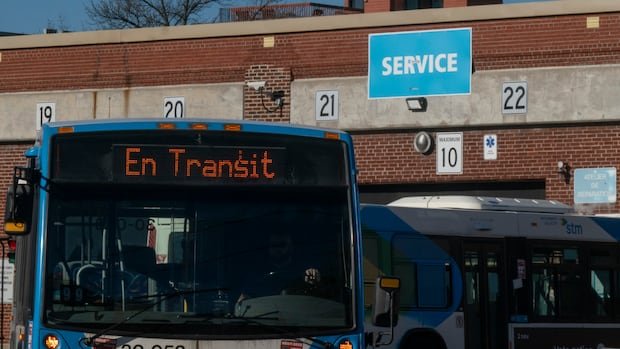

A group of business organizations in Montreal is urging the Quebec government to utilize a law that can help put an end to the ongoing public transit strike before its scheduled conclusion. The law, known as Bill 89, empowers the government to ensure the provision of essential services during strikes or lockouts. Despite facing legal challenges, critics argue that the law infringes on the constitutional right to strike.
The strike initiated by maintenance workers from the Syndicat du Transport de Montréal (STM) began on October 31, leading to disruptions in public transportation. Various business associations, including the Chamber of Commerce of Metropolitan Montreal (CCMM) and the Conseil du patronat du Québec (CPQ), emphasize the necessity of expediting the implementation of the law to mitigate the adverse impacts on economic activities, worker mobility, and public safety.
According to Michelle LLambias Meunier, president of the CPQ, the prolonged strike is adversely affecting economic productivity and endangering the well-being of the population. Isbaelle Dessureault, CEO of the CCMM, highlighted the risk of diminishing public support for STM workers if the strike continues.
Quebec Labor Minister Jean Boulet is exploring options to resolve the strike and has assigned mediators to facilitate negotiations between the maintenance workers, bus drivers, and Metro operators. However, the union representing the STM maintenance workers, Syndicat du transport de Montréal-CSN, criticizes the STM’s stance on subcontracting, which they believe is impeding progress in negotiations.
Bruno Jeannotte, the union president, accuses business leaders of prioritizing profits over workers’ rights and disregarding the strike’s impact on the public. The STM remains firm on its position, offering a salary increase and simplifying demands in an attempt to reach a resolution. If negotiations do not progress swiftly, the STM may resort to arbitration to reach a settlement.
During the strike period, adapted transit services will operate normally, while bus and Metro services will be limited to specific hours to accommodate rush-hour demands. The reduced service hours aim to minimize disruptions for commuters amid the ongoing strike.