
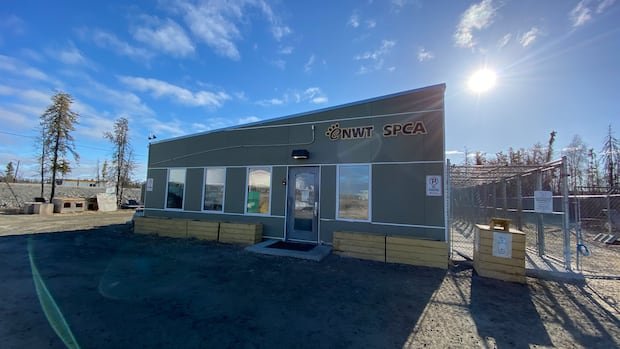

The N.W.T. SPCA is urging the territorial government to recognize domestic animals as sentient beings rather than mere property under the current legislation. The Dog Act in the Northwest Territories designates dogs as the property of their owners. The act permits authorities to transfer ownership of dogs if an owner is taken into custody. This limitation has led to concerns raised by tourists and residents regarding animal welfare in the region.
Nicole Spencer, the executive director of the N.W.T. SPCA, highlighted that existing laws focusing on basic care like food, water, and shelter may not adequately address more complex animal welfare issues. In Ontario and other Canadian jurisdictions, pets are also considered as property, according to animal welfare lawyer Jennifer Friedman.
Friedman noted that some provinces, such as British Columbia, are revising their laws to broaden considerations in family disputes involving pets. Despite the importance of robust animal protection laws, enforcement remains a critical issue, as highlighted by Friedman.
The Department of Municipal and Community Affairs, responsible for the Dog Act, stated that there are currently no plans to amend the legislation. Minister Vince McKay emphasized that municipalities have the primary responsibility for managing animal-related matters. While acknowledging the need for potential updates to the Dog Act, McKay emphasized the importance of balancing legislative priorities and community needs.
McKay highlighted the necessity of a foundational document to protect communities lacking the capacity to create bylaws, while also allowing municipalities to establish additional regulations tailored to their specific requirements.