
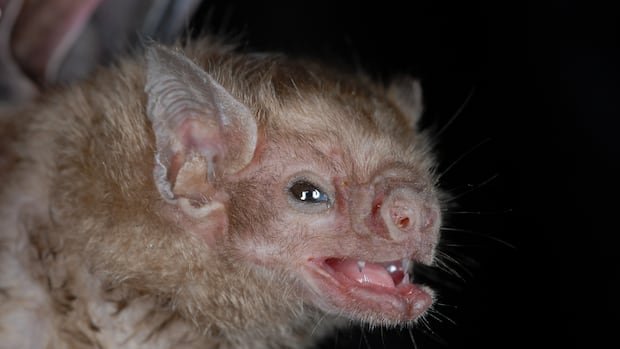

A comprehensive study of genomes from all 21 modern bat families, along with an analysis of dozens of fossil bats, has reportedly settled the debate on the origin of bats. Scientists now believe that the earliest bats likely evolved in Europe approximately 65 million years ago. This new finding contradicts previous theories that suggested bats could have originated from Asia, Africa, or North America.
The study, published in the journal Nature, was led by Sonja Vernes, the senior author of the paper and director of the Bat1K consortium. Vernes explained that due to bats’ ability to fly, they have been dispersing across the globe for millions of years, making it challenging to pinpoint their exact origin.
By sequencing genomes from 103 bat species and comparing them to 44 bat fossils, researchers discovered that ancient bats had 26 chromosomes and evolved around the time of the dinosaur extinction event. They also found evidence that bats developed echolocation early in their evolution.
Today, there are approximately 1,500 bat species worldwide, representing a significant portion of mammal diversity. The study’s family tree analysis sheds light on the relationships between the 21 bat families.
The data collected from the study is now publicly available worldwide, offering valuable insights that could potentially be applied to human health. Researchers are particularly intrigued by bats’ exceptional longevity and resistance to viral diseases, traits that could hold key insights for developing innovative healthcare treatments inspired by bat genetics.
In addition to shedding light on bat evolution, the study has brought together a global collaboration of 600 researchers, including Canadians like Burton Lim from the Royal Ontario Museum. Lim, an assistant curator of mammals, contributed a substantial number of bat samples for genome testing, focusing on species from tropical regions.
Lim emphasized the ecological importance of bats, highlighting their role in pollination, seed dispersal, and insect control. He hopes that the availability of extensive bat genome data will inspire further research into the unique features of bats, such as echolocation.
The study’s comprehensive approach has been praised for highlighting the deep and complex history of bats on Earth. Experts believe that understanding the genetic diversity among bat families can aid conservation efforts and prioritize species preservation.
Furthermore, the study’s release of a vast amount of bat genome data to the scientific community is seen as a significant step forward for research in various fields. Similar genome projects for other species have shown promising results, and experts anticipate that the bat study will pave the way for groundbreaking discoveries in bat evolution and biology.