
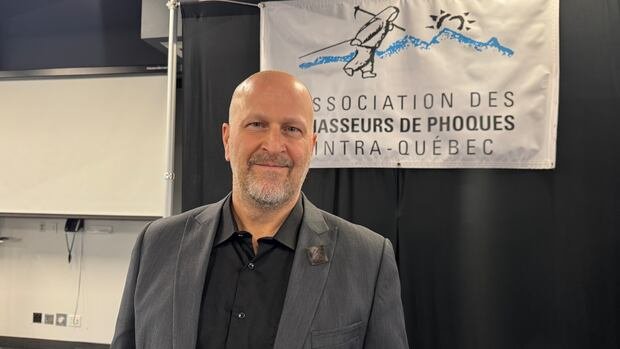

A coalition of entrepreneurs and seal hunters on Quebec’s Magdalen Islands is seeking to capitalize on the plentiful seal population in the region. The Association de chasseurs de phoques intra-Québec has put forth a proposal to the provincial government for a new trial initiative aimed at broadening the market for seal meat and seal-derived goods by centralizing their processing and distribution across eastern Quebec.
Gil Thériault, the association’s leader, highlighted the existing demand for seal products, emphasizing the potential for growth. Notably, a local butcher shop already sells seal meat, indicating a higher demand than current supply levels. Thériault also pointed out the market potential for seal skins, currently largely sourced from Newfoundland and Labrador, a situation he aims to alter through this project.
Central to the proposed initiative is the comprehensive utilization of seals, including their meat, skin, and blubber, to minimize waste and ensure economic and environmental benefits. Manon Cambefort, co-owner of Groupe ADEL slaughterhouse in the Lower St. Lawrence, expressed interest in processing seal meat at her facility pending government approvals and staff training.
Cambefort acknowledged the need for logistical planning to accommodate the unique processing requirements of seal carcasses. While anticipating public resistance, she echoed Thériault’s optimism about consumer readiness for seal meat, acknowledging potential mixed reactions.
The pilot project also seeks to address the increasing grey seal population on the Magdalen Islands, viewed as a contributing factor in the local ecosystem. Fisheries and Oceans Canada’s 2021 assessment reported a rise in the grey seal population to approximately 366,000 in Atlantic Canada. Xavier Bordeleau, a research scientist at Fisheries and Oceans Canada, noted the population’s abundance, suggesting room for sustainable harvesting.
While acknowledging the seals’ impact on fish species, Bordeleau emphasized the need for ongoing monitoring and adaptation due to evolving environmental conditions. The Quebec Food, Agriculture, and Fisheries Ministry confirmed its review of the pilot project proposal, underscoring the industry’s economic potential and inviting project submissions from stakeholders. Over the past five years, the ministry has allocated over $530,000 in funding to support various businesses and organizations within the sealing sector.