

The U.S. Congress has passed a resolution to lift the federal ban on mining near the Boundary Waters Canoe Area Wilderness in Minnesota. The move aims to allow a South American company to extract valuable metals from the area’s pristine natural environment.
Last month, House Republicans approved the resolution despite concerns raised by conservationists about potential pollution in one of the nation’s last remaining wild areas. The Senate also voted in favor of the resolution, with a 50-49 vote, sending it to President Donald Trump for his approval.
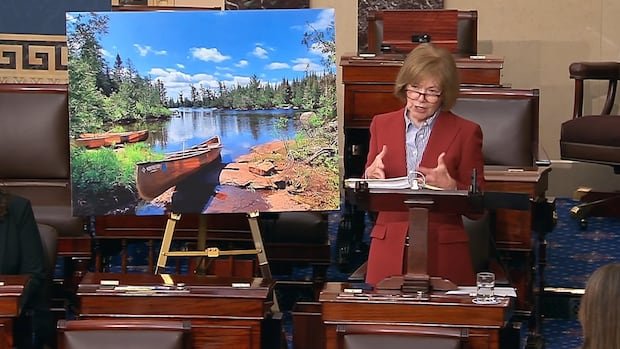
Democrats in the Senate argued that lifting the ban could set a dangerous precedent for removing protections on public lands nationwide. Senators Amy Klobuchar and Tina Smith of Minnesota cautioned that Republicans were jeopardizing their state’s heritage by supporting the resolution.
Klobuchar, who previously backed iron mining but is now running for governor, described the Boundary Waters as a place of serene beauty with mist-covered meadows and sunlight filtering through leaves. Smith criticized the GOP for disregarding the wishes of Minnesotans who oppose the destruction of the wilderness area.
Although no Republicans spoke out against lifting the ban, concerns persist among environmentalists and outdoor enthusiasts who fear that mining operations could lead to pollution in the watershed of the Boundary Waters area.
The Boundary Waters Canoe Area Wilderness, located within the Superior National Forest along the Minnesota-Canada border, is renowned for its crystal-clear lakes, vast forests, and abundant wildlife. Logging is prohibited in the area, and restrictions are in place to protect its natural beauty and ecosystem.
Company Plans for Mining Activity
The Duluth Complex, a geological formation within the national forest, contains valuable minerals such as copper, nickel, and other metals. Twin Metals Minnesota LLC, a subsidiary of Antofagasta Minerals based in Chile, has proposed mining operations in the region.
The company’s plan, which aims to create jobs and generate tax revenue for local communities, has faced legal challenges and regulatory hurdles. While the Trump administration supported the company’s mineral leases, the Biden administration imposed a moratorium on mining in part of the forest to protect the environment.
Despite opposition from environmental groups and concerns about potential pollution, the resolution to lift the mining ban has garnered support from some lawmakers who see it as a way to boost domestic mineral production.
Environmental Concerns and Opposition
Environmentalists and outdoor enthusiasts have voiced their opposition to lifting the moratorium, citing potential environmental risks and the impact on wildlife and native plants. They fear that mining activities could contaminate the region with harmful chemicals and disrupt the delicate ecosystem of the Boundary Waters area.
Efforts to rally support against the mining operations have included demonstrations and protests by advocacy groups and concerned citizens. The debate over mining in the region has become a contentious issue between state officials and the federal government.
Future of Mining in the Region
While President Trump is expected to sign the resolution, the timeline for actual mining operations remains uncertain. Even if the ban is lifted, the process of obtaining permits and addressing legal challenges could delay the start of mining activities for several years.
Twin Metals’ proposed mine, with a price tag of $1.7 billion, would operate underground and include measures to minimize environmental impact. However, the project’s progression hinges on navigating a complex regulatory landscape and addressing opposition from environmental groups.