
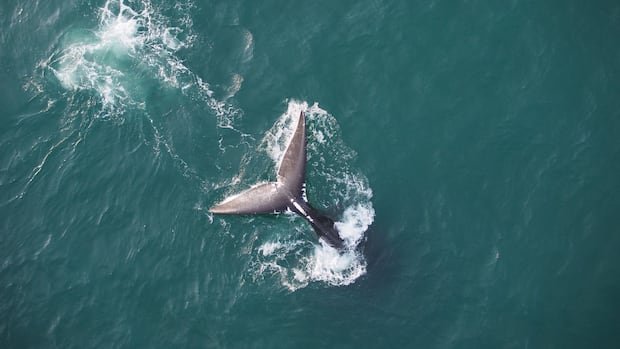

The United States is looking to revise rules aimed at preventing collisions between ships and the critically endangered North Atlantic right whale along the East Coast.
The National Oceanic and Atmospheric Administration (NOAA) of the country has not provided specific details on the proposed changes but highlighted the potential of modern technology to reduce ship-whale encounters while meeting industry requirements.
Neil Jacobs, the NOAA administrator, emphasized that the initiative aligns with the President’s agenda of embracing advanced technologies, backing American industry, and streamlining regulations, as stated in a press release on March 4.
NOAA is soliciting feedback on ways to mitigate the “unnecessary regulatory and economic burdens” resulting from speed restrictions imposed on larger vessels back in 2008.
Despite advancements, experts caution that current technology is not fully equipped to prevent whale collisions effectively.
Sean Brillant, the marine program coordinator at the Canadian Wildlife Federation, highlighted the absence of comprehensive technology to predict whale movements, emphasizing the importance of maintaining existing measures in the absence of advanced solutions.

While tools like satellites, thermal imaging, and aerial or boat-based surveys can aid in whale detection, they fall short in predicting whale movements to prevent collisions effectively.
Moira Brown, the director of science at the Canadian Whale Institute, mentioned the experimental use of infrared cameras on ships to spot whales in the vicinity but noted limitations in coverage and efficacy in collision prevention.
Brown advocated for integrating new technologies with existing speed regulations for enhanced protection, expressing concerns that altering the rules could impede conservation efforts.

In a 2020 report, NOAA assessed the effectiveness of speed restrictions, which mandate vessels over 20 meters to reduce speed to 10 knots in specified areas and times, resulting in reduced whale mortalities but highlighting the need for further enhancements and broader application.
Reflecting on decades of experience, Captain Bob Peacock emphasized the importance of adhering to speed limits and effective communication to avoid whale collisions in his role as a ship pilot in Maine.
Peacock pledged to continue advocating for the 10-knot speed limit even if regulations change, stressing the significance of human expertise and vigilance over technological reliance in whale protection efforts.
According to Fisheries and Oceans Canada, documented ship collisions caused four North Atlantic right whale deaths in 2017, contributing to the population decline of these whales, now estimated to be less than 400, mainly due to entanglement in fishing gear and vessel strikes.
MORE TOP STORIES