
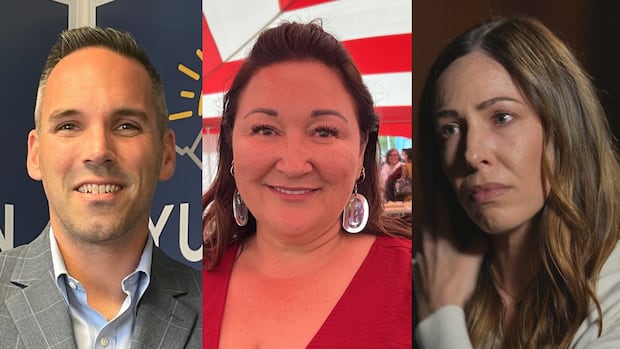

The past year has been significant for the Yukon, marked by the establishment of a new territorial government, the election of a new leader for the Council of Yukon First Nations, the resolution of a substantial class action lawsuit involving an elementary school in Whitehorse, and the experiences of a Yukon woman detained in a U.S. immigration facility, all making headlines.
Below are some of the most notable stories reported by CBC Yukon this year.
One year, three premiers
With Currie Dixon’s swearing-in last month, he became the 12th premier of Yukon, and the territory’s third premier in 2025.
Following Ranj Pillai’s resignation in May, his party chose to appoint Mike Pemberton as his successor, who took over as Liberal leader and premier the next month. However, Pemberton’s leadership was brief, as he was compelled to call an election shortly thereafter, leading the Liberals to nearly complete defeat in the November election, concluding the party’s nine years in office.
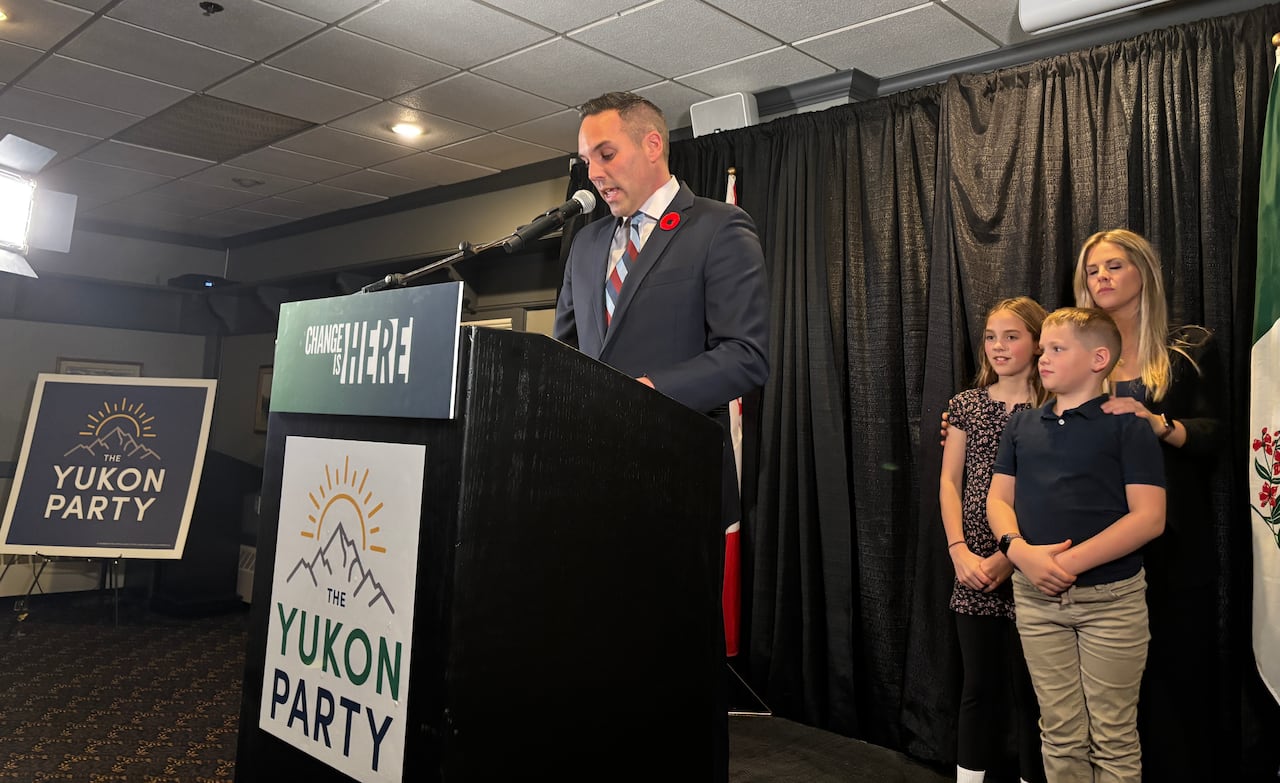
Yukon Premier Currie Dixon delivers his victory speech on election night, November 3. (Julien Greene/CBC)
Dixon’s Yukon Party, promoting a broad message of “change,” emerged as the clear frontrunner during the election, capturing over half of the popular vote and winning 14 of the 21 legislative seats. This marked a successful return to power for the conservative-oriented party after two terms in opposition.
“We believe we have a strong mandate, and Yukoners have largely supported our platform,” Dixon stated following the election.
New CYFN leader faces ‘tall order’
A significant transition also occurred within the political entity representing Yukon First Nations. In June, Math’ieya Alatini, the former chief of the Kluane First Nation, was elected as the new grand chief of the Council of Yukon First Nations (CYFN). She took over from Peter Johnston, who opted not to seek reelection after three terms in the position.
The CYFN functions as a non-profit political organization that represents and advocates for the interests of Yukon First Nations, with the grand chief serving as the primary political spokesperson.
In addition to her new role, Alatini has additional responsibilities as the Assembly of First Nations no longer has an independent Yukon regional chief. Alatini has assumed those duties as well.
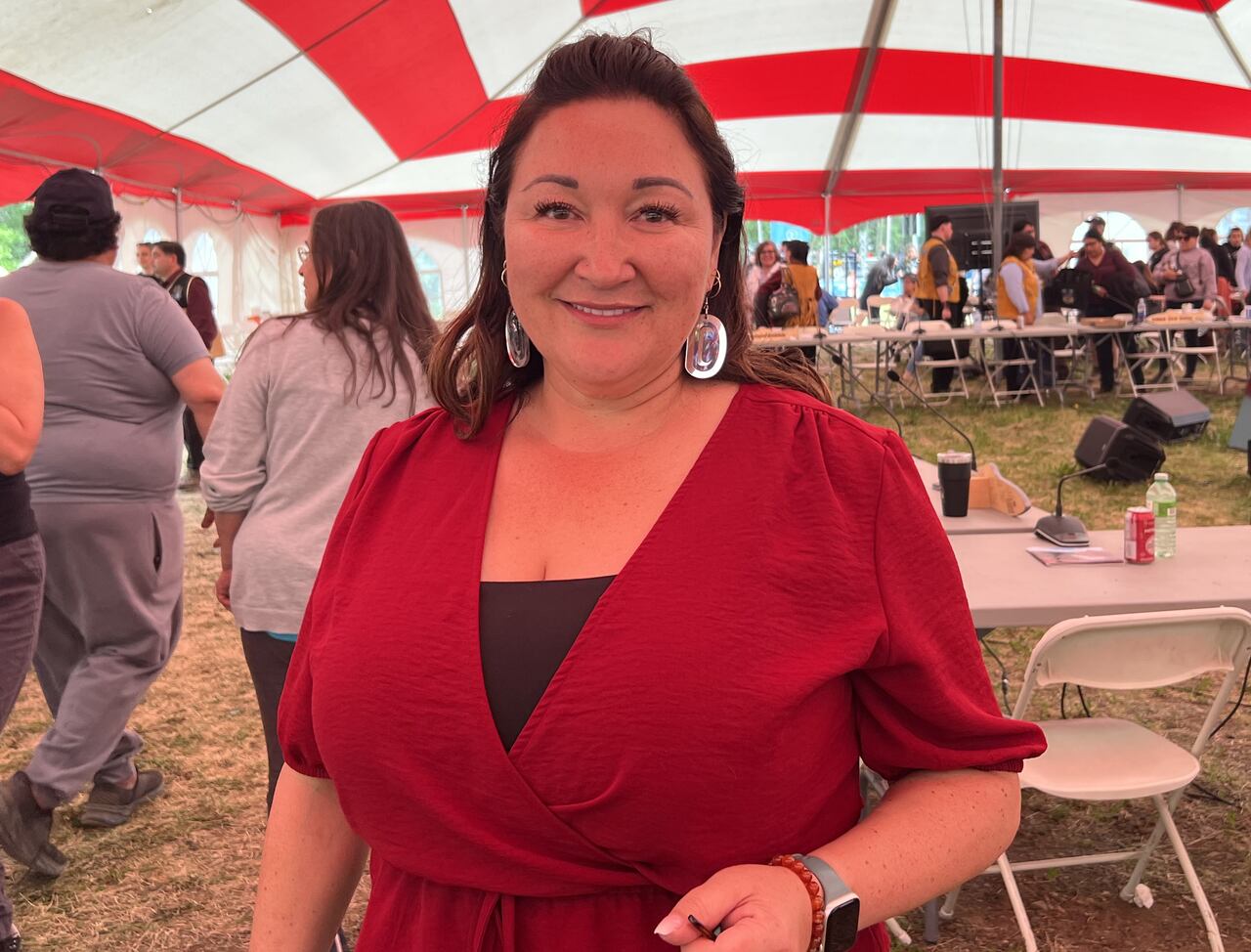
Council of Yukon First Nations Grand Chief Math’ieya Alatini in June. (Marissa Meilleur/CBC)
Upon her election last summer, Alatini outlined several priorities, including adjustments to Jordan’s Principle funding, concerns regarding Arctic sovereignty and a proposed new military base in the Yukon, as well as advocating for First Nations’ input in the federal government’s “nation-building” initiatives.
She also emphasized that “unity” will be a key focus for her. Currently, not all First Nations in Yukon are affiliated with the CYFN.
“We need to engage with the Nations that are not part of the membership, and figure out how to be inclusive of those Nations and establish mandates for collaboration,” she expressed.
“While it may seem daunting, that is the task at hand.”
Exploring a new mining framework
Another critical issue for both the new territorial government and First Nations is the finalization of new mining regulations for the territory. The previous administration’s attempts to advance this issue over the past year attracted considerable attention, causing tension among the territory, First Nations, and representatives from the industry.
Some of Yukon’s mining laws have remained unchanged for over a century, and since 2021, efforts have been underway to create legislation that would replace the Quartz Mining Act and Placer Mining Act.
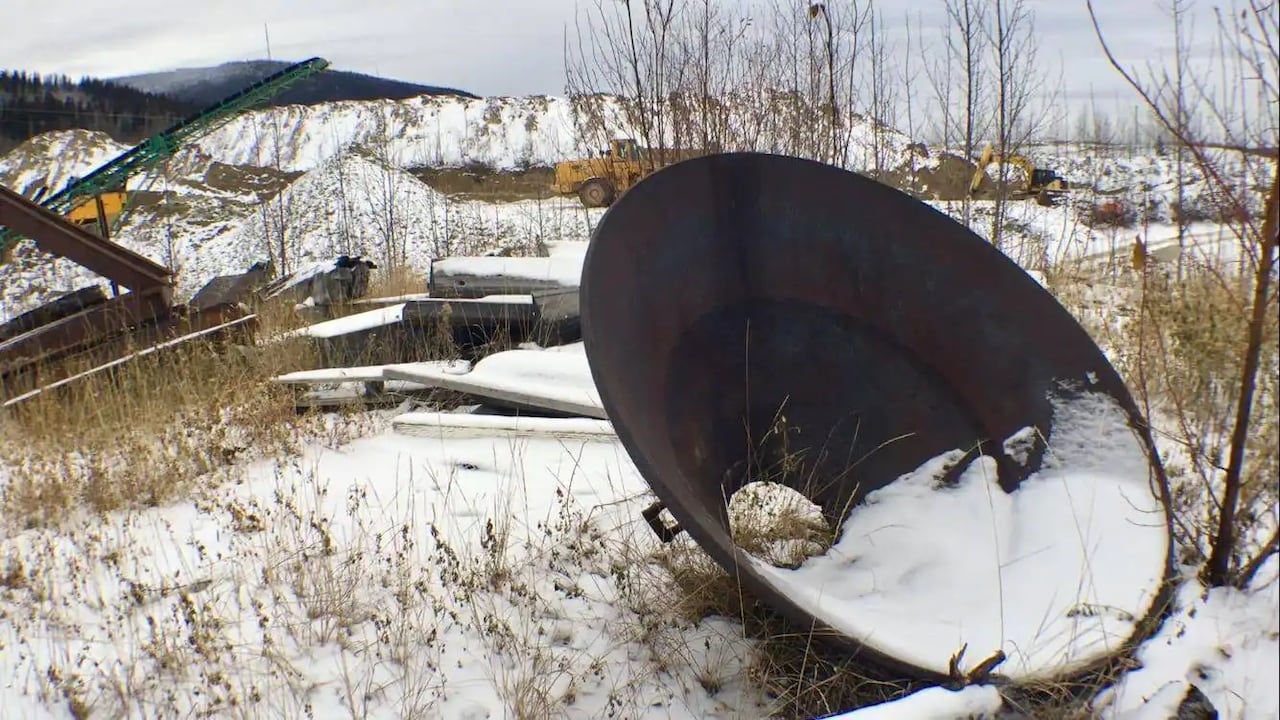
A mining claim in Dawson City, Yukon. (Julie Landry/CBC/Radio-Canada)
During the summer, both the First Nation of Na-Cho Nyäk Dun and the Yukon Chamber of Mines criticized the government’s draft framework for the upcoming legislation. When the framework was eventually made public, the government faced further backlash for both the contents of the document and its timing of the release. The government later issued an apology, acknowledging that the release was an error.
During the fall election campaign, the Yukon Party pledged to complete the modernization of mining laws, enabling the industry to “explore for, develop, and operate mines responsibly while respecting and engaging Yukon First Nations.”
Jack Hulland settlement
This year also brought some resolution for families of students at Whitehorse’s Jack Hulland Elementary School who claim they were inappropriately subjected to holds and restraints, or placed in seclusion at the school from 2007 to 2022.
In November, the Yukon Supreme Court sanctioned a settlement agreement in a class-action lawsuit involving the families of Jack Hulland and the Yukon government. A trial had been set for the previous summer but was deferred as discussions on a potential settlement took place between the government and the plaintiffs.
According to the settlement terms, affected families are eligible to submit a claim for compensation. The payout amounts could vary from $10,000 to $1 million, contingent upon the individual student’s experiences.
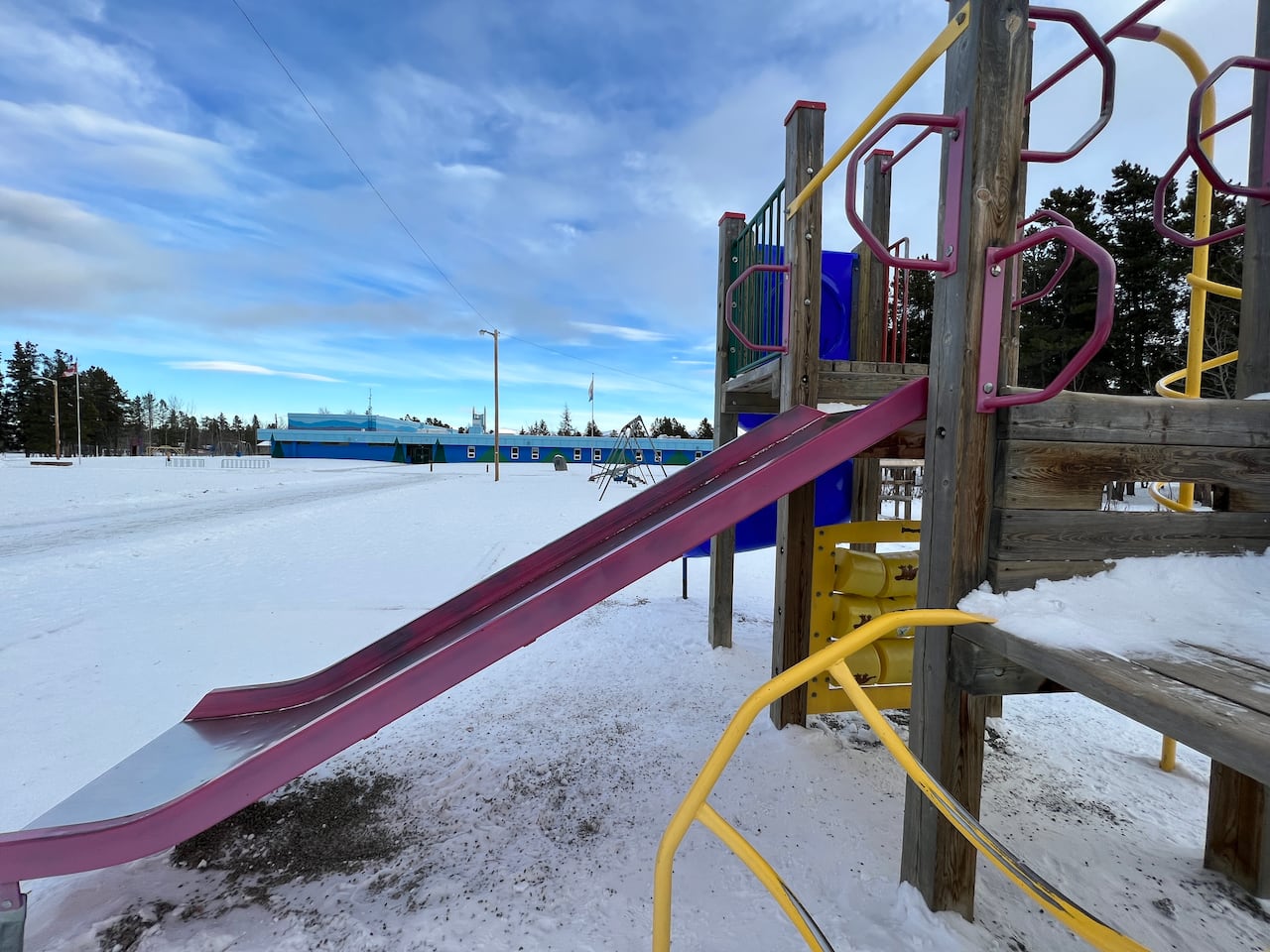
Jack Hulland Elementary School in Whitehorse. (Kiyoshi Maguire/CBC)
During the November court session to approve the settlement, one parent expressed concern that the settlement does not sufficiently acknowledge the incidents at the school or the harm inflicted on some former students. They are advocating for greater accountability from the school and its personnel.
However, lawyer Naomi Kovak clarified that it was not feasible within the framework of this class action.
“This is not a disciplinary procedure,” Kovak stated. “It does not involve criminal proceedings.”
Detained by ICE
In March, a former Yukoner captured international attention after being taken into custody by the United States. Her ordeal highlighted a growing concern regarding the treatment of Canadians traveling or seeking employment in the U.S.
Jasmine Mooney, who was raised in the Yukon and has family in the region, attempted to renew her work visa by visiting an immigration office at the Mexico-San Diego border, contrary to her U.S. attorney’s advice. She was denied entry and subsequently detained.
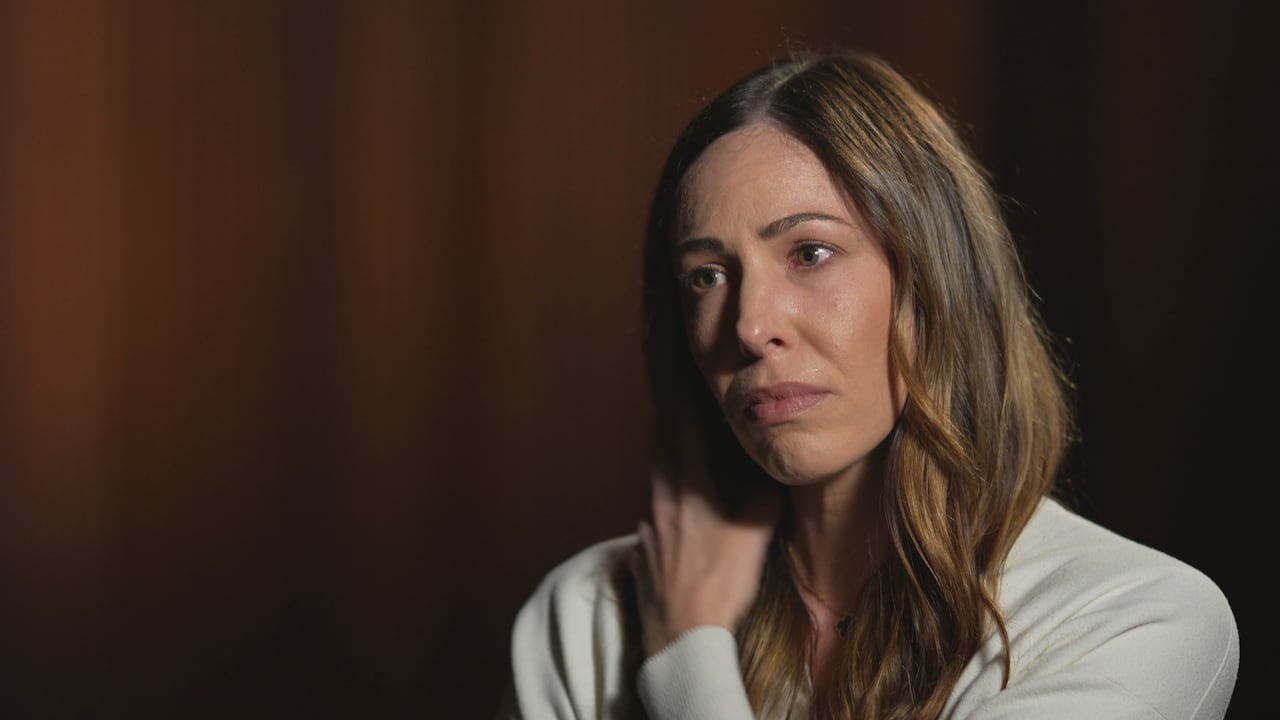
Jasmine Mooney, 35, who grew up in the Yukon, garnered international attention in early 2025 after sharing her experience of being detained for 11 days by U.S. immigration officials.
(Dillon Hodgin/CBC)
She spent 11 days in detention, during which she endured multiple transfers, invasive medical examinations, and degrading treatment before being released and returned to Canada.
“That facility breaks you into a million pieces. The conditions there are appalling,” Mooney later recounted to CBC News, reflecting on her experiences while in custody.
After her release, CBC News sought additional information from U.S. authorities regarding her situation. A statement from U.S. Immigration and Customs Enforcement (ICE) clarified that Mooney was processed under the “Securing Our Borders” Executive Order issued on January 21.