
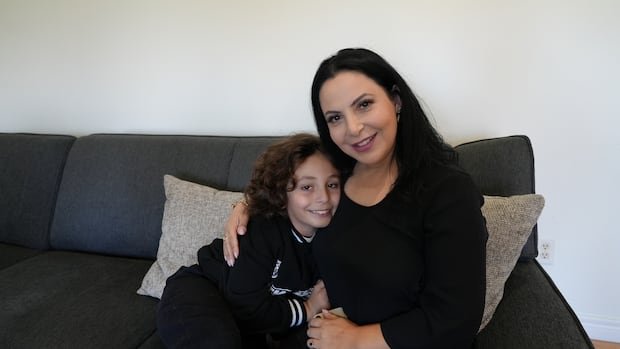

Eight-year-old Mohammad Farhad has a limited diet, mainly consisting of boiled eggs, spaghetti, or lasagna due to his sensory-driven eating disorder known as avoidant/restrictive food intake disorder (ARFID). Unlike anorexia or bulimia, ARFID is not related to body image concerns but is a severe reaction to various foods. His mother, Ramzia El Annan, sheds light on ARFID, emphasizing that it is not a behavioral or mental health issue but a hypersensitivity causing fear of trying new foods.
Formally recognized in 2013, ARFID was previously identified as a pediatric feeding disorder for children under six. El Annan noticed Mohammad’s eating habits were different from infancy, leading to a formal diagnosis last year. People with ARFID may struggle to recognize hunger and often eat insufficiently, creating challenges for caregivers like El Annan to ensure proper nutrition and therapy.
El Annan’s efforts include preparing specialized meals, monitoring chewing, and incorporating breathing exercises to assist Mohammad in his eating journey. While ARFID poses challenges due to the extensive care required, El Annan hopes to raise awareness, connect with other families facing similar struggles, and advocate for enhanced support services within the education system.
Moreover, ARFID treatment varies individually, often involving cognitive behavioral therapy and a multidisciplinary team to expand food variety and intake. Despite the lack of specific data in Windsor-Essex, ARFID can lead to severe health complications if untreated, such as malnutrition-related issues and psychological distress. Heather Leblanc from BANA Windsor highlights the importance of destigmatizing ARFID, emphasizing that individuals with the disorder should not feel ashamed or isolated.
Ultimately, sharing Mohammad’s story aims to increase understanding of ARFID and promote empathy towards those affected by this complex eating disorder. For those struggling with disordered eating, various resources like the National Eating Disorder Information Centre and Kids Help Phone offer support and guidance.