
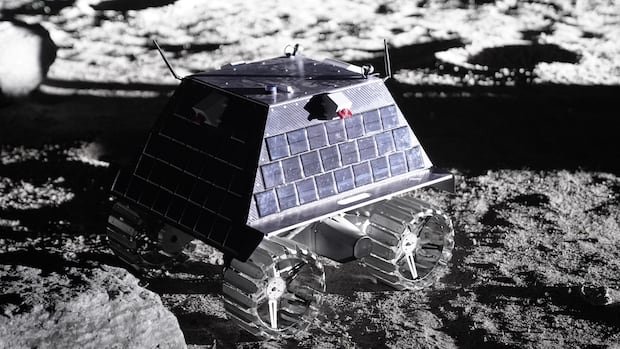

The Canadian Space Agency (CSA) has scrapped its lunar rover mission as part of its 2026-2027 departmental plan. Initially announced in 2022, the rover, which would have been Canada’s first, was set to be developed by Canadensys and launched to the moon via a commercial vehicle by Firefly Aerospace.
The cancellation news was disclosed by the space industry website SpaceQ. Gordon Osinski, the principal investigator of the mission and a planetary geologist from Western University, expressed disappointment upon learning about the termination about a month ago. He highlighted the significance of the mission, citing it as a milestone in Canadian space exploration history.
Intended for landing in the moon’s south polar region, a crucial area due to its water presence and planned Artemis IV mission, the rover’s cancellation came as a blow to the team. Artemis II, featuring four astronauts including Canadian Jeremy Hansen, is scheduled for an early April launch.
Osinski lamented the missed opportunity for the team to conduct a unique mission independently, emphasizing the project’s exceptional nature. The CSA assured its commitment to lunar exploration despite the setback, aiming to capitalize on the progress made in the project.
The lunar rover was part of the Lunar Exploration Accelerator Program (LEAP) by the CSA, fostering collaborations between academia and industry partners. The agency highlighted the expertise gained in robotics mobility, which could be leveraged for future missions like the lunar utility rover.
Despite attempts to reach Canadensys for comment, no response was received at the time of publication. Osinski remains hopeful that the team’s efforts and achievements will leave a lasting impact, underscoring the dedication and accomplishments of the science team.