
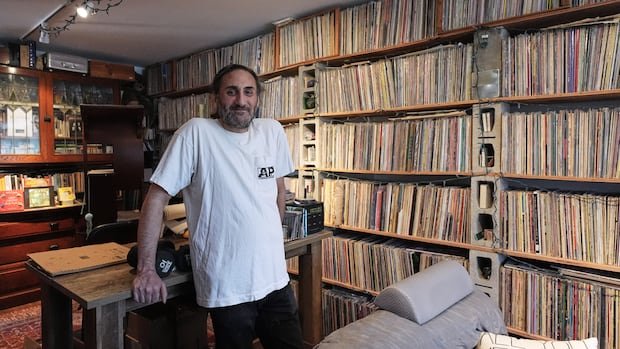

On July 8, 1989, Aadam Jacobs, a young music enthusiast, attended the inaugural performance of a promising rock band from Washington in Chicago. Carrying a compact Sony cassette recorder, Jacobs captured the band, then a four-piece group, introducing themselves as Nirvana from Seattle before launching into their first song, “School,” amidst guitar feedback.
Jacobs clandestinely recorded over 10,000 concerts, utilizing increasingly advanced equipment over four decades in various cities, including Chicago. Now, a dedicated team of volunteers in the U.S. and Europe is systematically organizing, digitizing, and sharing these recordings through the growing Aadam Jacobs Collection, a valuable online resource for music aficionados, particularly those fond of indie and punk rock from the 1980s to the early 2000s.
The collection showcases early performances by renowned artists like R.E.M., The Cure, The Pixies, and Depeche Mode, as well as lesser-known acts, including Phish and various underground artists. These recordings, including a 1988 Boogie Down Productions concert and a 1990 Phish show, are gradually being made available for streaming and free downloads on the non-profit Internet Archive platform.
Before his encounter with Nirvana in 1989, Jacobs had already been recording concerts for five years, starting as a teenager by taping songs from the radio. He began sneaking tape recorders into shows following a friend’s suggestion and eventually transitioned to more sophisticated equipment, such as digital audio tapes and digital recorders, as technology advanced.
Not considering himself an archivist but merely a music enthusiast, Jacobs saw documenting concerts as a way to enhance his concert experiences. Initially facing opposition from club owners, he later gained acceptance within the music community, earning the moniker “taper guy” and gaining free access to many events.
Renowned author Bob Mehr, who profiled Jacobs in 2004, lauds him as a cultural icon in Chicago, emphasizing his genuine intentions and dedication to preserving music history. Following a documentary about Jacobs in 2023, the Internet Archive volunteer team proposed archiving his collection, leading to its ongoing preservation and sharing efforts.
Volunteer Brian Emerick plays a crucial role in digitizing Jacobs’s vast tape collection, meticulously transferring analog recordings to digital formats for further processing by engineers in the U.S., U.K., and Germany. Despite challenges with aging equipment, Emerick has digitized thousands of tapes since late 2024, with an estimated completion timeline of a few more years.
The project involves volunteer engineers enhancing audio quality and metadata for each recording, with notable gems like a 1984 James Brown concert surfacing during the digitization process. Song title identification often poses challenges, requiring extensive research and collaboration among volunteers, sometimes involving artists to ensure accuracy.
While most artists appreciate having their work preserved in the collection, Jacobs is open to removing recordings upon request for copyright reasons, although very few have made such requests. Notably, legal expert David Nimmer suggests that legal action is unlikely due to the non-commercial nature of the project.
Despite ceasing his recording activities due to health issues, Jacobs continues to enjoy live music experiences online, appreciating the contributions of a new generation of concert recorders facilitated by modern technology.