
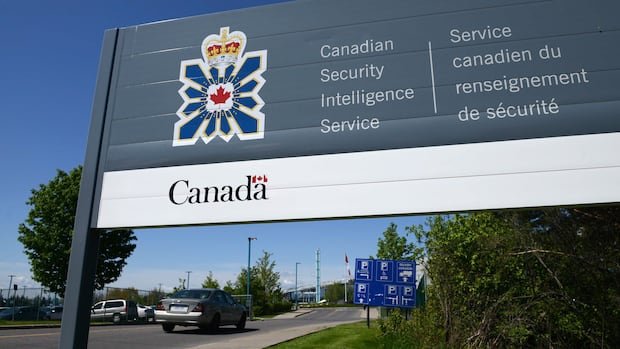

In a precarious situation regarding the fate of the Liberal government’s security bill, the historically secretive Canadian Security Intelligence Service (CSIS) is voicing concerns about potential setbacks in its investigations without necessary adjustments. High-ranking CSIS officials, speaking anonymously due to the sensitive nature of their work, highlighted challenges in obtaining court-approved information from electronic service providers, impeding national security inquiries.
During a recent briefing with CBC News about Bill C-2, the controversial legislation introduced by the Liberal government, concerns raised by CSIS officials were discussed. Originally aimed at enhancing border security, Bill C-2 also encompasses lawful access and surveillance alterations for CSIS and the RCMP. Following widespread criticism, including from the Conservative Opposition, the bill was divided.
While the federal government is prioritizing the advancement of proposed border security measures under the new Bill C-12, the future of Bill C-2 remains uncertain. Public Safety Minister Gary Anandasangaree emphasized the importance of proceeding with appropriate amendments but refrained from providing a specific timeline.
CSIS officials emphasized the urgency of legislative modifications to support their operational effectiveness, expressing that their capabilities are diminishing without necessary changes. They highlighted the challenges faced when dealing with electronic service providers and stressed the critical need for access to aid ongoing investigations.
Privacy advocates have raised concerns about potential overreach and the broad authority granted to the public safety minister under the proposed legislation. Additionally, the legislation’s provisions for accessing basic subscriber information without a warrant have sparked considerable debate.
Despite swift backlash, CSIS is not alone in advocating for legal adjustments to facilitate access to Canadians’ information. The National Security and Intelligence Committee of Parliamentarians issued a report underscoring the current limitations hindering CSIS and the RCMP in accessing communications during investigations, emphasizing the need for resolutions to avoid compromising national security.
Leah West, a national security lawyer and associate professor at Carleton University, highlighted past unsuccessful attempts by both Liberal and Conservative governments to address lawful access gaps. She expressed concerns that the introduction of Bill C-2 by the Liberal government may impede crucial investigations, emphasizing the potential adverse impact on criminal and security inquiries.
Overall, the debate surrounding Bill C-2 underscores the complex balance between national security interests and privacy rights, with ongoing efforts to navigate the challenges posed by evolving digital landscapes.