
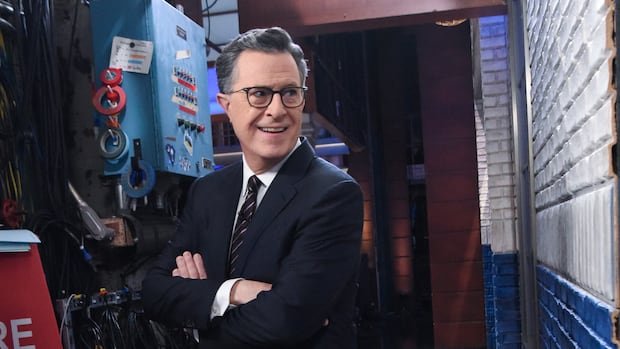

From the iconic Ed Sullivan Theater in New York City emerges Stephen Colbert one last time tonight. The final episode of “The Late Show with Stephen Colbert” marks the conclusion of an era distinguished by his witty monologues, engaging celebrity interviews, and sharp political satire.
Colbert shared in July that CBS had decided to end the show upon the expiration of his contract, citing financial reasons amid a challenging late-night landscape. Notably, this decision coincided closely with Colbert’s public criticism of Paramount Global, CBS’s parent company, for settling a lawsuit with former U.S. President Donald Trump related to a “60 Minutes” segment.
Experts anticipate a significant void in the late-night lineup with Colbert’s departure. However, they also acknowledge the need for the format to adapt to the evolving streaming era, a shift that may already be underway.
Taking over “The Late Show” from David Letterman in 2015, Colbert quickly established himself as a keen observer of American society and politics, drawing from his experience on “The Daily Show” and “The Colbert Report.” Critics laud Colbert for his ability to hold a mirror to societal and political norms, making his departure due to business decisions rather than creative reasons disappointing.
The cancellation of Colbert’s show raises questions about the future of late-night television. While the end of “The Late Show” signifies the end of an era with no immediate replacement, industry watchers predict potential shifts towards non-political and non-topical shows like “Comics Unleashed” in the late-night slot.
As audiences increasingly turn to streaming platforms for entertainment, late-night shows are faced with the challenge of retaining viewership and exploring new revenue streams beyond traditional broadcasting. The format’s reliance on segments and sketches may offer opportunities for adaptation to changing viewing habits, with social media platforms playing a crucial role in reaching audiences.
Despite the changes in late-night television, experts believe the satirical voice and societal relevance that these shows offer will endure, adapting to new delivery systems and remaining integral to the civic discourse in the nation. As Colbert bids farewell, the legacy of late-night television as a significant component of civic engagement and cultural commentary remains paramount.