


The United States faced condemnation from the European Union, France, and Germany for implementing visa bans on European citizens involved in combating online hate and disinformation. Brussels warned of potential swift and decisive responses against what they deemed as unjustified measures.
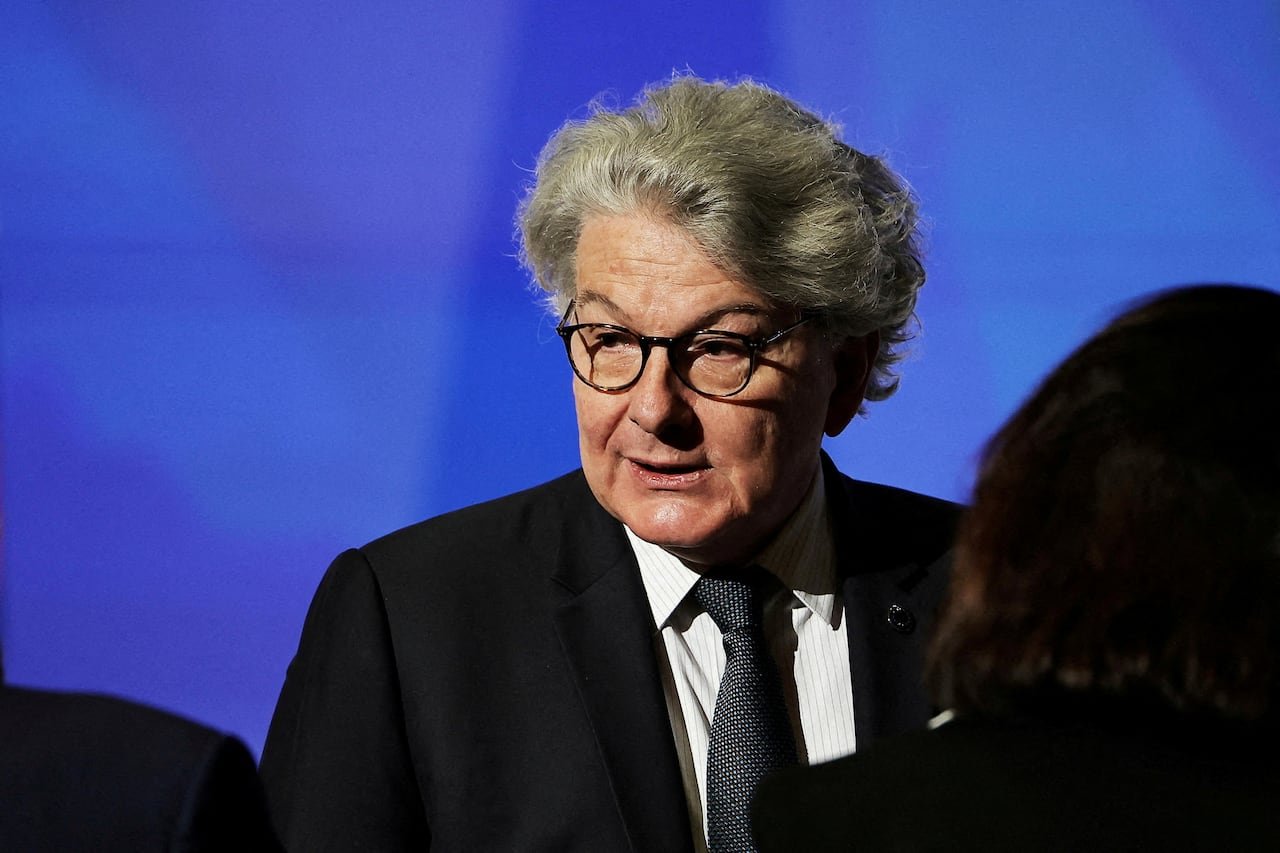
The U.S. administration, led by President Donald Trump, imposed visa bans on five European individuals, including Thierry Breton, a former EU commissioner from France. The accusations included allegations of suppressing freedom of speech and unfairly targeting American tech companies with excessive regulations.
A spokesperson for the European Commission strongly denounced the U.S. decision, emphasizing the importance of freedom of expression as a core shared value between Europe and the United States. These visa bans are expected to deepen existing disagreements between Washington and certain European capitals concerning various issues such as free speech, defense, immigration, far-right ideologies, trade, and the conflict between Russia and Ukraine.
Notably, the U.S. National Security Strategy document recently highlighted concerns about potential “civilizational erasure” in Europe, urging a shift in direction to maintain a reliable partnership with the U.S.
U.S. Criticism of EU’s Digital Services Act
Thierry Breton played a key role in the creation of the EU’s Digital Services Act (DSA), a significant legislative initiative aimed at enhancing online safety, which has drawn criticism from U.S. officials. Tensions escalated further when Brussels fined Elon Musk’s X platform €120 million for violating online content regulations. Musk and Breton have engaged in public disagreements over EU tech policies, with Musk referring to Breton as the “tyrant of Europe.”
-
Analysis
Is Trump’s stark new security strategy the end of the liberal world order? Europeans will need convincing
-
Elon Musk’s X slapped with €120M fine by EU regulator for breaching content rules
The visa bans also targeted Imran Ahmed, CEO of the U.S.-based Center for Countering Digital Hate; Anna-Lena von Hodenberg and Josephine Ballon from the German organization HateAid; and Clare Melford, co-founder of the Global Disinformation Index, as confirmed by U.S. Under Secretary for Public Diplomacy Sarah Rogers.
The EU’s DSA aims to enhance online safety by pressuring tech giants to address illegal content, including hate speech and child sexual abuse material.
Washington criticized the EU for what they deemed as excessive restrictions on freedom of expression in the fight against hate speech and misinformation. They claimed that the DSA unfairly targeted U.S. tech companies and