
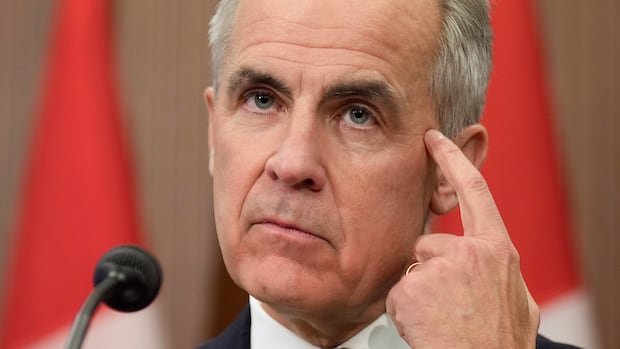

Prime Minister Mark Carney is set to unveil plans for an oil pipeline to northwest B.C., with efforts underway to reassure concerned MPs and a cabinet minister about the merits of the upcoming agreement with Alberta. A key aspect of the discussions revolves around the position of Steven Guilbeault, the Minister of Canadian Identity and Culture, who has been engaging in talks with the Prime Minister’s Office. Guilbeault, a lifelong environmental activist and former environment minister, has expressed reservations about potential compromises on climate policies to reach a deal with Alberta, sparking internal concerns about a possible resignation. Despite this, sources indicate that Guilbeault intends to remain in his role, believing he can achieve more by participating in negotiations.
Meanwhile, Natural Resources Minister Tim Hodgson briefed B.C. Liberal MPs on Ottawa’s proposed memorandum of understanding with Alberta Premier Danielle Smith. The meeting, marked by skepticism from some MPs regarding a new pipeline to the Pacific, involved detailed discussions on the terms of the agreement and the government’s commitments. Hodgson described the meeting as productive and emphasized the importance of the forthcoming announcement in Calgary.
During a news conference addressing concerns within his caucus, Prime Minister Carney highlighted the diversity of opinions and the constructive dialogue surrounding the Canada-Alberta agreement. He emphasized that the memorandum encompasses broader economic objectives beyond the pipeline and aims to strengthen the Canadian economy amidst trade challenges. However, not all MPs are fully supportive of the initiative.
The Coastal First Nations alliance voiced opposition to the proposed pipeline, citing environmental risks and a firm stance against oil tankers on the coast. In contrast, Smith advocates for leveraging Alberta’s natural resources sector to bolster the economy and enhance trade relationships. Former Alberta Premier Jason Kenney estimated significant economic benefits from the pipeline project, underscoring its potential contribution to government revenues.
While some B.C. Liberals back Carney’s negotiation efforts, others remain cautious, emphasizing the need for Indigenous consultation and environmental considerations. Discussions within the Liberal caucus reflect diverse perspectives on the issue, with MPs engaging in healthy debates. Conversely, Conservative MP Aaron Gunn advocates for approving the Pacific pipeline to reduce reliance on the U.S. market and safeguard national interests.
Overall, the ongoing discussions highlight the complex considerations and varying viewpoints surrounding the proposed oil pipeline project. The decision-making process involves balancing economic opportunities, environmental concerns, and regional interests to chart a sustainable path forward for Canada’s energy sector.