
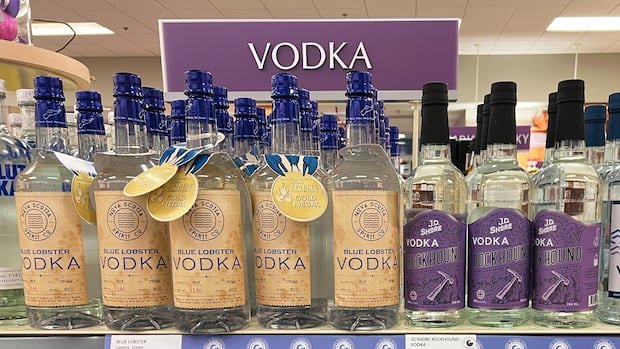

The group representing some of the largest spirits producers in the United States is urging the Nova Scotia Liquor Corporation (NSLC) to eliminate a policy that favors Nova Scotian spirit products. In a detailed 77-page report submitted to the Office of the United States Trade Representative, the Distilled Spirits Council of the United States highlighted various trade barriers encountered in different countries.
The report’s section on Canada, spanning six pages, pointed out obstacles such as the restriction on selling American alcohol in most provinces and the preferential markups on local spirits in Alberta, Saskatchewan, New Brunswick, Prince Edward Island, Nova Scotia, and Newfoundland and Labrador. Specifically in Nova Scotia, spirits produced or blended in the province have markups ranging from 50 to 80 percent, while imported and non-Nova Scotia spirits face a 160 percent markup.
The council argues that these markups violate trade agreements by favoring local products and discriminating against imported spirits. They are seeking assistance from the U.S. government to urge Canada and the provinces of Alberta, Nova Scotia, New Brunswick, Prince Edward Island, Saskatchewan, and Newfoundland and Labrador to eliminate the NSLC’s policy.
The Nova Scotia Intergovernmental Affairs Department stated that it has not received a formal complaint regarding this issue from the Distilled Spirits Council or the U.S. government through established trade dispute channels. The NSLC justified its historical practice of applying preferential markups on local products to support the province’s beverage alcohol industry and ensure fair competition for local producers.
Amidst a global decline in U.S. spirit exports by nine percent in the first two quarters of 2025 compared to the previous year, the council attributed this downturn to retaliatory tariffs, rising trade tensions, and market access barriers. They also noted that international consumers seem to be shifting towards domestic or other imported options due to perceived unfair U.S. trade practices.
The Craft Distillers Association of Nova Scotia declined an interview request, with Executive Director Fay Patey emphasizing that the issue is primarily a government-to-government trade matter. Patey highlighted the positive economic impact of Nova Scotian distilleries, noting their employment of over 100 full-time workers, along with part-time and seasonal staff, and the utilization of more than 110,000 kilograms of local agricultural products annually.
Patey expressed hope for the restoration of the longstanding trade relationship between Canada and the U.S., emphasizing the importance of balancing U.S. tariff policies with provincial programs aimed at supporting local producers and fostering economic growth in Nova Scotia.