

The term “rules-based international order” gained popularity among Canadian leaders in 2017. While not particularly poetic, it symbolized the network of international organizations established post-World War II, supported by American influence, promoting relative global peace and stability. Surprisingly, from 1995 to 2016, the phrase was never uttered in the House of Commons. However, it resurfaced as a key theme among both Liberal and Conservative parties following the election of President Trump, emphasizing the importance of upholding this order.
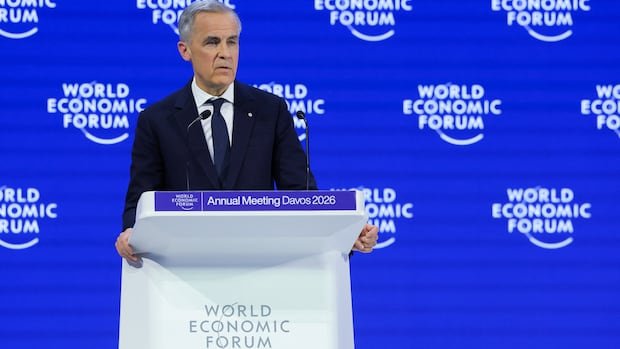
The discourse surrounding the rules-based international order intensified during the turbulent G7 summit in Charlevoix in 2018, underscoring the challenges of recognizing this framework in a shifting geopolitical landscape. Mark Carney, during a recent speech in Davos, Switzerland, urged middle powers to acknowledge the evolving great power rivalry rather than clinging to an idealized notion of the international order.
Carney’s address marked a significant departure in Canadian foreign policy, resonating with a global audience seeking candid assessments of the current world affairs. His call for middle powers to confront the reality of power dynamics reflects a growing need for strategic cohesion among nations outside the dominant power structures. Amidst budget constraints and diplomatic challenges, Canada faces the task of aligning its actions with its principles in navigating complex international relations.
The evolving global dynamics pose a test for Canada’s diplomatic stance and its ability to uphold progressive values on the world stage. As Carney emphasizes Canada’s role as a beacon of stability and inclusivity, the focus shifts to the domestic front, where political leaders like Pierre Poilievre scrutinize the government’s performance in addressing economic and social challenges. The strength of Canadian society will be pivotal in shaping the nation’s response to the changing world order and its implications on the international stage.