
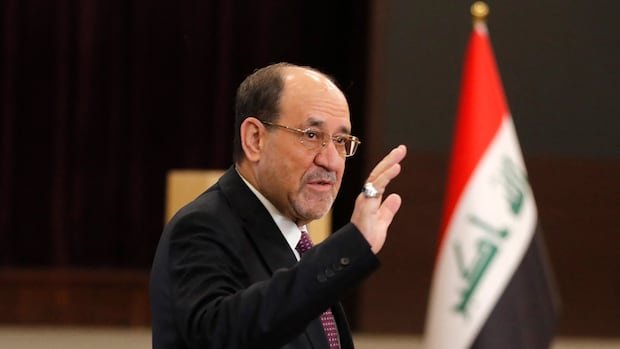

In the Middle East, Iraq serves as a significant battleground in the ongoing rivalry between Iran and the United States, a fact often overlooked by those outside the region. The renewed candidacy of former Iraqi Prime Minister Nouri al-Maliki has drawn sharp attention from the U.S., highlighting the delicate balancing act Iraq must perform between the two countries.
Al-Maliki, a 75-year-old politician, has become a contentious figure as the U.S. intensifies its efforts to diminish Iranian influence within Iraq. U.S. President Donald Trump, in a recent post on Truth Social, criticized al-Maliki’s previous tenure, attributing the country’s descent into chaos and poverty to his leadership. Trump warned that if al-Maliki were to be re-elected, the U.S. would withdraw its support, jeopardizing Iraq’s chances of success and freedom.
In response, al-Maliki denounced what he termed as “blatant American interference” in Iraq’s internal affairs. These developments underscore the complex dynamics at play in Iraqi politics, where external pressures and internal divisions intersect.
The Co-ordination Framework, a prominent Shia bloc in Iraq’s Parliament, nominated al-Maliki for prime minister, citing his political and administrative experience. Analysts like Renad Mansour from Chatham House note that al-Maliki’s resurgence as a political contender underscores the enduring Iranian influence in Iraq, with close ties maintained between al-Maliki and Iran even after his time in office.
Amidst these political maneuvers, the U.S. has expanded its demands on Iran beyond the nuclear issue to include the cessation of support for proxy militias across the Middle East. This shift in focus has put certain Shia militias in Iraq under increased scrutiny, particularly those with political aspirations and ties to Iranian-backed paramilitary groups.
As Iraq navigates its political landscape, divisions among the Shia factions and external pressures from the U.S. and Iran complicate the formation of a new government. The choice of prime minister holds significant implications for the country’s future direction, with alternatives to al-Maliki being considered within the Co-ordination Framework.
While Iraq strives to recover from years of conflict and instability, the specter of escalating tensions between the U.S. and Iran looms large, raising concerns about the country being drawn into broader regional conflicts. Amidst these challenges, Iraqi citizens like Sabiha Ismail emphasize the need for independent leadership that prioritizes Iraq’s interests over external influences.
The intricate interplay between regional powers, internal factions, and economic dependencies underscores the complexities facing Iraq as it seeks to chart a stable and prosperous path forward. The outcome of these competing interests will not only shape Iraq’s political landscape but also impact its relations with key international allies like the U.S.