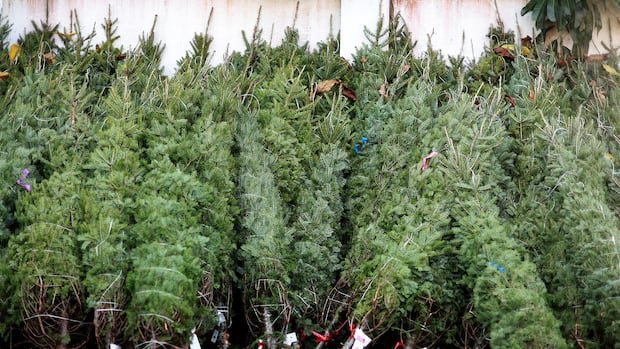

Ontario’s Christmas tree farms are feeling the impacts of climate change, but the University of Waterloo (UW) is taking action to mitigate these effects.
The UW Christmas Tree Lab, established in 2022, collaborates with Christmas tree farms across the province to conduct research aimed at promoting a sustainable and eco-friendly industry in response to climate change challenges. The lab also provides educational resources and advocacy materials.
Kelsey Leonard, the lab’s director, highlighted how extreme climate events such as heatwaves, droughts, and erratic freeze-thaw cycles are affecting yields at these farms across the region, spanning from Windsor to the Ottawa Valley and northern Ontario.
Leonard explained, “It may seem unusual, but due to the diverse geography of the region, we experience a range of events within a single growing season.”
Ontario boasts over 400 Christmas tree farms, more than any other Canadian province, with these natural trees having a significantly lower environmental impact compared to artificial alternatives.
“Choosing a real tree is environmentally friendly,” stated Leonard, emphasizing the negative environmental implications of artificial trees made from fossil fuel byproducts and transported over long distances.
According to the David Suzuki Foundation, an artificial tree must be used for more than 20 years to have a comparable carbon footprint to a real tree, a duration often not met as artificial trees are frequently replaced every two to three years.
Leonard noted, “Unfortunately, artificial trees have become a fleeting trend, with people replacing them every few years.”
Impact of Climate on Growth Timelines
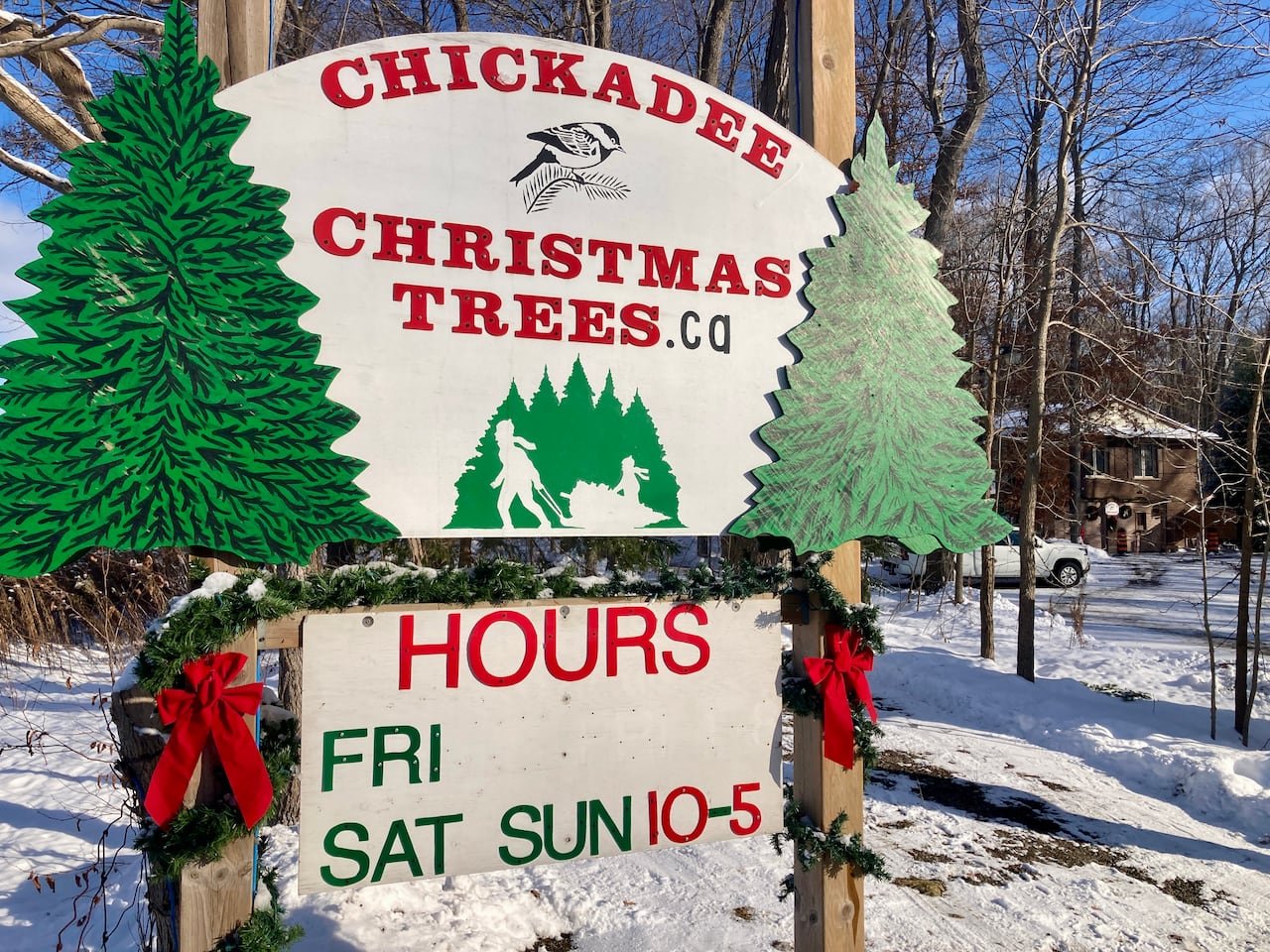
The changing climate has extended the growth period for Christmas trees, with trees now taking eight to 12 years to mature, instead of the previous seven to 10 years, as observed by Joe Wareham of Chickadee Christmas Trees in Puslinch, Ont.
Wareham mentioned, “With hotter and drier summers, growth has slowed down.”
Wareham highlighted the varying growth rates among tree species, with pines growing faster, spruces at a moderate pace, and firs requiring 12 to 13 years for optimal height and growth.
In addition to delayed growth, farmers like Wareham face challenges such as lingering frost, pests, and most notably, extreme summer heat.