
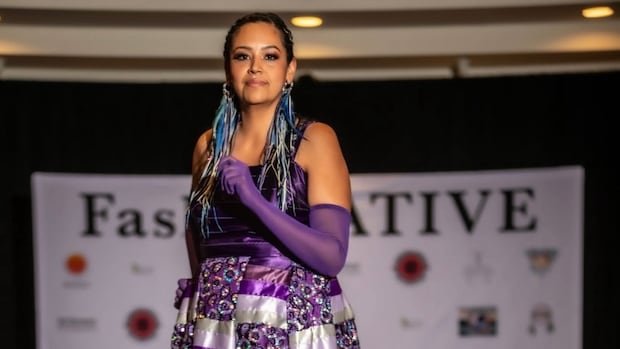

Fashion designer Lauryn Cook is inquiring about the delayed payment of models who participated in showcasing her designs at an Indigenous fashion show in Regina. The FashioNATIVE runway show at the DoubleTree hotel and conference center in Regina featured models from the Prairies, including 10 models wearing Cook’s designs. Despite promises of $100 per walk, confusion arose when the event coordinator, Chelsa Racette, clarified that the payment was a flat rate of $100 per model.
One model, Crystal Dreaver, mentioned that although there were no written contracts, they were told verbally about the payment structure. The designer’s contract confirmed the $100 flat rate for each model without specifying a payment per walk. Despite the discrepancies, models are still awaiting payment, leading to dissatisfaction and reconsideration of future collaborations with Racette.
The situation extended beyond models to small business owners who participated in the event. Tenielle Bird, owner of Pihtikwe Market, expressed disappointment over unfulfilled promises to vendors. The event, initially spanning three days, was condensed into one day, leading to financial losses for vendors who paid for tables and incurred additional costs without receiving expected reimbursements.
Racette acknowledged the payment delay, attributing it to grant processing timelines. She mentioned facing challenges in managing the event’s finances and awaiting final grant disbursements to fulfill payment obligations. While some funds have been received, Racette is exploring options, including personal loans, to settle outstanding payments to models and vendors.
The financial challenges and miscommunication highlighted in the aftermath of the FashioNATIVE show underscore the complexities and uncertainties faced by stakeholders in the fashion industry. Despite efforts to rectify the payment delays, the situation serves as a cautionary tale for future collaborations and event planning within the Indigenous fashion community.