

Canada’s yearly inflation rate remained steady in November, but there was a notable increase in grocery inflation, hitting its highest level in almost two years, according to Statistics Canada. The overall inflation rate held at 2.2 percent, with food prices surging 4.7 percent from the previous year, marking the largest growth in grocery prices since December 2023.
The spike in prices was primarily driven by fresh fruit, particularly more expensive berries, and “other food preparations,” which mainly consist of processed foods. Coffee prices continued to rise significantly, up 27.8 percent year-over-year in November, attributed to adverse weather conditions in coffee-producing regions and U.S. tariffs.
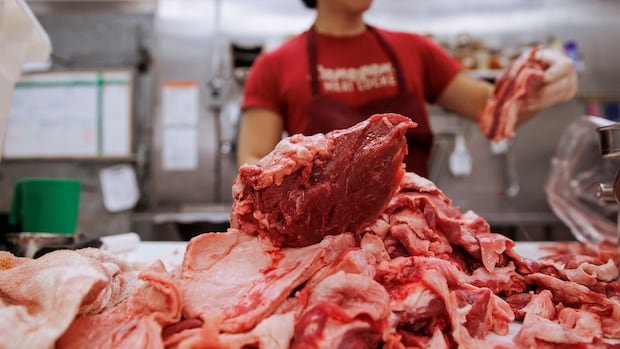
Additionally, fresh and frozen beef prices climbed 17.7 percent last month, contributing to inflation due in part to declining cattle inventories across North America. RBC senior economist Claire Fan noted that the surge in food inflation resulted from various supply-side constraints, including severe weather conditions and potential cost increases passed on by U.S. exporters along food manufacturing supply chains.
On the flip side, the Bank of Canada’s core inflation eased in November, with prices for services increasing at a slower pace, particularly in travel tours and accommodations. Rent prices also rose at a slower rate compared to the previous month. However, cellular service costs saw a notable uptick of 12.7 percent in November, partly due to reduced promotions compared to the same period the previous year.
The Bank of Canada’s core inflation measures, excluding volatile components like food and gas, either eased or remained stable in November, indicating a potential hold on interest rate hikes in the near future. Fan suggested that while the economy has shown signs of improvement, further cuts to the overnight rate may not be necessary. The Bank of Canada has recently signaled a pause in rate cuts for the time being.