
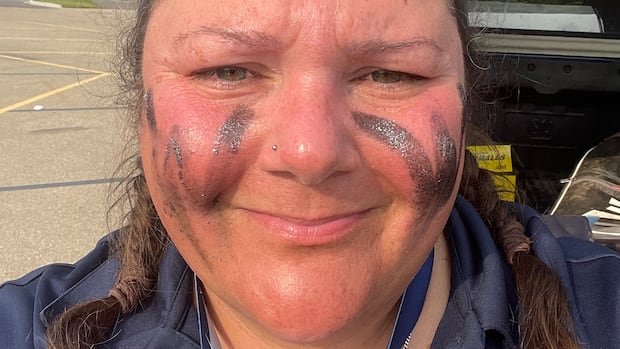

Stacey Lymer has had a lifelong connection with fastball since childhood, but a severe concussion she sustained last summer has put her on the sidelines from the beloved sport. Lymer recently announced her resignation as president of Yellowknife Minor Fastball, citing her incapacity to fulfill the demanding responsibilities of the role due to her injury.
The incident occurred in June while Lymer was coaching a U-19 girls fastball team in Yellowknife. During a practice session, she was struck in the head by a ball she was attempting to catch, estimating its speed at around 55 mph. Lacking proper head protection at the time, Lymer expressed regret for missing the ball, an act she deemed as one of the silliest things to happen to her.
Following the injury, Lymer promptly sought medical attention, receiving a CT scan within 24 hours. Despite initially feeling improvement in the weeks that followed, she later experienced a rapid decline in her condition, struggling with symptoms such as dizziness, fatigue, cognitive delays, and memory issues, making daily tasks like cooking overwhelming.
After consulting local doctors in Yellowknife, Lymer realized the need for specialized care, leading her to seek treatment at the Toronto Concussion Clinic. The clinic, covered by the Ontario Health Insurance Plan (OHIP), accepts patients from outside the province, providing the necessary care for concussion recovery.
Dr. Kathryn Schneider, an associate professor and clinician at the University of Calgary’s Faculty of Kinesiology, explained that a concussion results in a temporary alteration of brain function, leading to various symptoms such as headaches, dizziness, sensitivity to light and sound, balance difficulties, and cognitive challenges. Schneider emphasized the importance of seeking prompt medical attention following a concussion to prevent further injury, as the brain becomes more vulnerable to subsequent impacts.
Lymer has been informed that her recovery from the concussion could take up to a year, but she remains determined to return to the fastball scene once fully healed. Reflecting on her experience, she stressed the importance of using safety equipment, advising others not to underestimate the need for protective gear to avoid similar incidents.
In conclusion, Lymer’s journey highlights the significance of prioritizing one’s well-being and taking necessary precautions to ensure safety in sports activities.