

The ceasefire in the Middle East seemed fragile within days of President Donald Trump’s announcement, with Israel conducting more airstrikes in Lebanon and Iran maintaining its blockade of the Strait of Hormuz. President Trump expressed skepticism about the effectiveness of the ceasefire, criticizing Iran for not allowing oil passage through the strait as agreed. Iranian negotiators were preparing for peace talks with a U.S. delegation led by Vice-President JD Vance in Pakistan.
Iran, asserting control over the vital Strait of Hormuz, continued to demand tolls for safe passage, linking the ceasefire to Israel’s ongoing strikes in Lebanon. Trump warned Iran against imposing tolls on the strait and threatened consequences if they persisted. Iran’s Supreme Leader Mojtaba Khamenei emphasized Iran’s stance on not seeking war but vowed to defend its rights and escalate control over the strait.
The situation in the strait remained tense, with Iran’s Revolutionary Guards navy providing alternative shipping routes to avoid naval mines. Oil futures contracts eased post-ceasefire announcement, but physical oil prices surged due to supply disruptions. Ship-tracking data revealed minimal traffic through the strait, impacting global trade operations.
The UN’s International Maritime Organization cautioned against introducing tolls in international waters, emphasizing the right of transit passage through straits. Trump’s ceasefire declaration set a deadline for unblocking the strait, with warnings of escalating military action if the ceasefire failed. NATO allies supported the U.S. war effort, focusing on ensuring free passage through the strait.
In Lebanon, Israel’s operations against Hezbollah continued despite the ceasefire, leading to casualties and destruction. Israel aimed to disarm Hezbollah and restore security in northern Israel through direct talks with Lebanon. Trump urged Israel to reduce strikes in Lebanon, emphasizing the need for security measures. The situation in Lebanon drew condemnation from various countries, urging an extension of the ceasefire to the region.
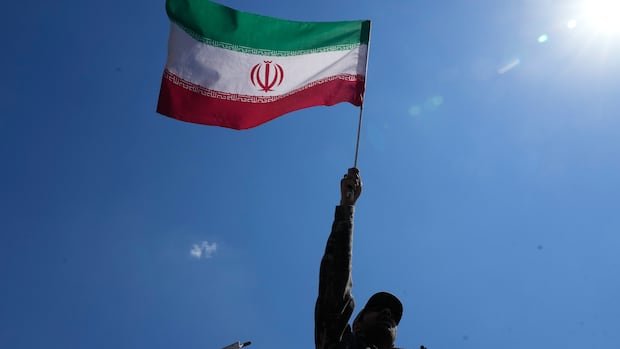
Inside Iran, the ceasefire outcome was portrayed as a victory, with massive crowds commemorating the late Supreme Leader Ayatollah Ali Khamenei. Despite Trump’s claims of victory, key objectives of the war were not fully achieved, leaving core disputes unresolved. The enduring tensions between the U.S., Iran, and their respective demands indicated a prolonged struggle with far-reaching implications for the Middle East.