
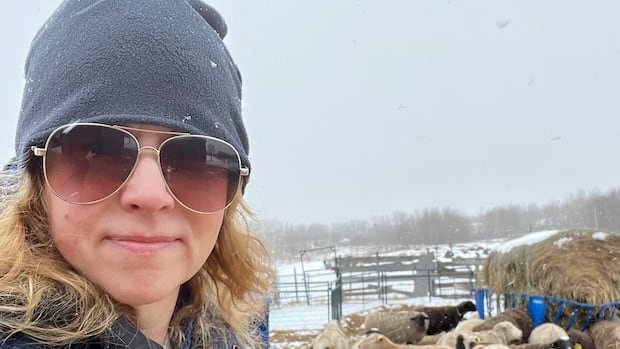

Teresa Patry is feeling invalidated by Alberta’s oil and gas regulator, a sentiment shared by others. The farmer and rancher from Vermilion, Alta., has two active oil wells on her property that an independent air quality assessment shows are emitting methane and potentially harmful chemicals in the direction of her home and livestock. Patry has noticed the fumes from her residence and believes they are negatively affecting her health, as well as that of her family and animals. Despite reaching out to the province’s energy regulator, she claims they consistently assert that everything is functioning correctly.
According to environmental advocates, many landowners, like Patry, are grappling with aging or decommissioned oil wells on their properties that are causing environmental pollution and health issues without sufficient support from the government. While Alberta is working on strategies to control methane emissions and address aging oil and gas infrastructure, concerns persist that the concerns of individuals like Patry are being disregarded.
In Alberta, companies can drill on private land if they hold the mineral rights underneath, following negotiations with landowners on lease agreements and compensation. Patry’s family signed a lease in 2006 without hesitation, trusting the industry and regulators. However, as the wells aged and changed ownership, they became more noticeable and emitted unpleasant odors, leading Patry to experience health symptoms like headaches and a burning sensation on her face near the wells.
The release of methane, a potent greenhouse gas, and other volatile organic chemicals from aging oil wells can have adverse health effects, including rheumatoid arthritis, thyroid dysfunction, and infertility. Despite the known negative impacts, the Alberta auditor general’s report in 2023 acknowledged the health risks associated with VOCs from non-oilsands oil and gas infrastructure.
Patry’s concerns escalated when lambs on her property died unexpectedly in 2016, followed by health issues affecting her and her family members. Despite multiple reports to the AER and discussions with officials, including Energy Minister Brian Jean, Patry received assurances that the wells were compliant with regulations. Tim Doty, a retired environmental inspector, conducted assessments near Patry’s farm, revealing continuous venting from the wells and advising precautions due to the emissions.
Advocates, such as Phillip Meintzer from the Coalition for Responsible Energy, assert that stories similar to Patry’s are prevalent in Alberta, where a substantial number of aging oil wells pose risks to public health and the environment. While the province has initiatives like the Orphan Well Association and the Mature Asset Strategy to address abandoned infrastructure, critics argue that stronger enforcement and regulatory reforms are necessary to protect individuals like Patry.
Patry remains apprehensive about the upcoming warm weather, which brings south winds carrying the bothersome fumes towards her property. She feels misunderstood by regulators, emphasizing that her requests for assistance have been misconstrued as troublemaking rather than seeking compassion and support in the province.