
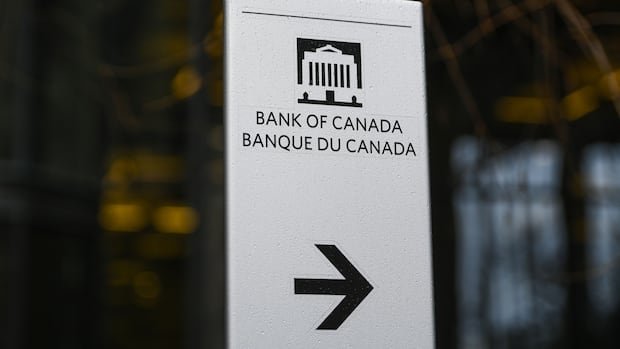

The Bank of Canada’s latest business outlook surveys revealed that the Iran war had negative effects on business confidence and led to increased inflation expectations. These factors prompted the central bank to introduce new metrics for monitoring sales and pricing trends in a volatile global environment.
Over the past three months, the surveys indicated rising input costs and geopolitical uncertainties, impacting sales projections for most businesses in the Prairies outside the oil and gas sector. The percentage of firms preparing for a potential recession in the coming year nearly doubled to 17%, up from 9% in the previous quarter but still lower than levels seen in 2025.
Despite concerns over the Iran war, businesses reported reduced uncertainty related to trade disruptions with the United States. Export prospects improved significantly due to higher commodity prices and demand for artificial intelligence inputs. Inflation expectations surged in the second quarter, driven by escalating energy prices linked to the Middle East conflict.
The central bank noted a significant increase in projected price hikes to a four-year high last quarter. Although most surveys were conducted in May during heightened Iran war uncertainty, follow-up surveys revealed that inflation expectations peaked in April and decreased after a peace deal was signed in mid-June.
Consumer spending intentions declined in the past quarter, particularly among households anticipating higher prices due to the Middle East conflict. These cautious consumers were more inclined to seek discounts, reduce driving, and postpone major purchases.
To better track business expectations, the Bank of Canada is dividing its benchmark indicator into two measures: one for sales, hiring, and investment outlooks, and another for pricing, wages, and inflation. The central bank highlighted that certain shocks, such as the Iran war, can cause divergence between these metrics, necessitating separate indicators for activity and prices.
BMO senior economist Robert Kavcic mentioned that recent surveys reflected the bank’s dilemma in deciding whether to adjust rates to stimulate economic activity or combat inflation. However, with global oil prices declining, inflation expectations are expected to decrease this quarter, allowing the central bank to maintain a wait-and-see approach for the rest of the year.
The Bank of Canada is anticipated to keep its benchmark interest rate unchanged at 2.25% during its upcoming decision on July 15.