

A high-ranking Canadian official stated that the Carney administration is of the view that India has halted its efforts at transnational repression within Canada. The official, speaking on background to journalists on Wednesday ahead of the prime minister’s upcoming trade mission to New Delhi and Mumbai, emphasized the government’s confidence that such activities have ceased. The official noted that if there were indications of Indian government interference in Canada’s democratic processes, the trip would likely not proceed.
Emphasizing a zero-tolerance policy towards foreign meddling, the official highlighted the government’s mechanisms to identify and thwart threats as they emerge. However, Sikh activists in Canada have raised concerns about ongoing safety risks, despite the government’s attempts to move forward. Additionally, there are suggestions that Canadian law enforcement agencies may not share the government’s optimism regarding the elimination of political violence threats.
In a bid to mend relations with India following the fallout from the 2023 assassination of Canadian Sikh activist Hardeep Singh Nijjar, Prime Minister Mark Carney aims to normalize ties with the country. Indian High Commissioner Dinesh Patnaik mentioned an “unprecedented” security dialogue between India and Canada, emphasizing collaborative efforts to address security challenges.
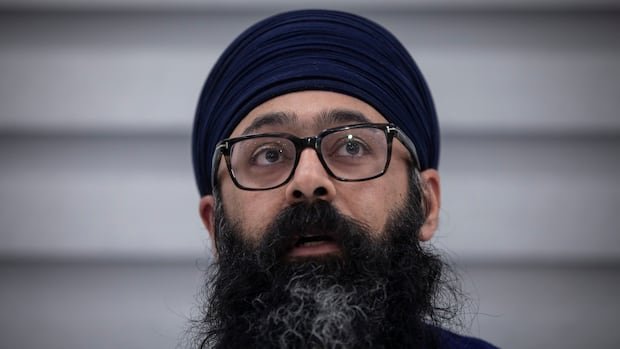
Notably, Vancouver police recently issued a duty-to-warn letter to Sikh activist Moninder Singh, cautioning him about potential threats. Singh, associated with Nijjar, expressed resolve in continuing his activism despite the risks outlined in the warning. Moreover, there have been reports of alleged surveillance lists targeting individuals considered adversaries by the Indian government, prompting ongoing caution by Canadian authorities.
Sikh groups, including gurdwara councils in B.C., Ontario, and Quebec, have issued an ultimatum to federal politicians to address transnational threats more effectively. The letter demands transparency, a parliamentary inquiry into Nijjar’s assassination, and a commitment to combat external pressure campaigns. Failure to adhere to these demands could result in restrictions on politicians’ participation in Sikh community events.
Vincent Rigby, a former national security adviser, urged caution during the India trip, emphasizing the need to balance trade interests with security concerns. Rigby highlighted the importance of not overlooking potential security threats from foreign entities, particularly in light of lingering apprehensions within the Sikh community about Indian government actions in Canada.
In conclusion, while the Carney administration strives to foster stronger ties with India, vigilance against external threats remains paramount, as echoed by security experts and community advocates.