
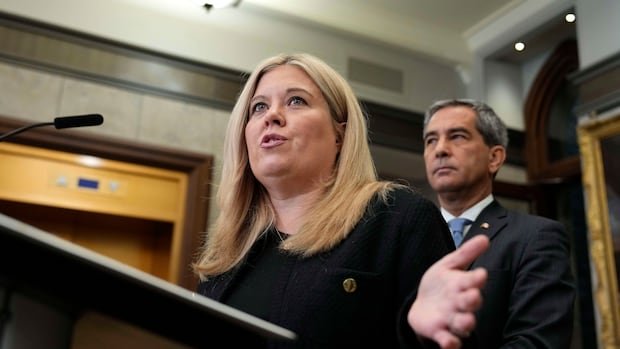

The Conservative party is advocating for cost reductions in the Interim Federal Health Program (IFHP), aiming to limit health-care benefits for refugee and asylum claimants residing in Canada. While the Liberals have also hinted at cost-sharing measures in the past budget, the Conservatives are taking a more drastic stance with their proposed motion.
Conservative Leader Pierre Poilievre recently announced the party’s intention to introduce a motion in the House of Commons to review the IFHP. The motion seeks to scale back on what they describe as “deluxe benefits” provided to “fake refugees,” suggesting that only emergency life-saving health care should be covered for rejected claimants.
The Conservative’s argument stems from a recent report by the Parliamentary Budget Officer highlighting a substantial increase in the IFHP’s annual cost from $226 million in 2021 to $896 million in 2025. The report predicts a further rise to $1.5 billion by 2030 without adjustments due to a surge in asylum claimants.
In a parliamentary debate, Liberal MP Yasir Naqvi criticized the Conservative motion, accusing it of being divisive and reminiscent of tactics seen in the United States. Despite the strong rhetoric, the Conservative motion faced opposition from Liberal, Bloc Québécois, and NDP MPs and was defeated.
The Conservatives’ push for changes in the IFHP echoes a similar debate in 2012 when the Harper government reduced health coverage for refugee claimants, leading to a legal challenge that was later deemed unconstitutional by the Federal Court.
The current debate raises questions about the necessity of altering the IFHP and its potential impact on vulnerable populations. Concerns have been raised about the accessibility of health services for refugees and the implications of restricting coverage for rejected claimants, considering some may eventually gain approval through appeals.
While the Conservatives emphasize the need for reform to address the increasing backlog of asylum claims, the Liberals face criticism for declining public support for immigration policies. The ongoing discourse highlights the importance of scrutinizing policy proposals to ensure they prioritize the well-being of individuals affected by healthcare changes.