

Some energy specialists are questioning the necessity of a proposed billion-dollar power plant by N.B. Power to address an anticipated electricity shortfall in 2028. They suggest that the utility could address this projected shortage by curbing demand through demand-side management initiatives.
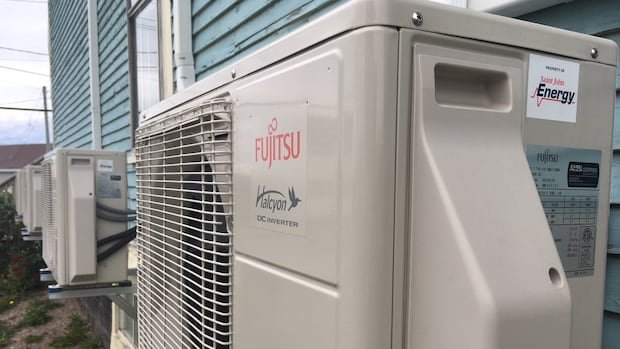
Demand-side management encompasses various technologies and programs that aim to reduce electricity consumption and spread out usage throughout the day. Initiatives range from basic insulation measures to advanced technologies like cold weather heat pumps.
Statistics from 2023 indicate that around 30% of households in New Brunswick still rely on electric baseboard heaters. However, programs such as N.B. Power’s total home energy savings program have been successful in reducing this number by offering incentives for activities like installing insulation and heat pumps. While nearly 29,000 households have already upgraded through this program since 2018, there are approximately 31,000 pending applications.
Another program by N.B. Power targeting low-to-medium-income households is encountering budget restrictions. This program covers the full costs of insulation and heat pumps for households earning below $70,000, with nearly 34,000 applications received in the past three years.
A recent study commissioned by N.B. Power indicates that doubling energy efficiency efforts can be a cost-effective approach for the utility in the long term, emphasizing the importance of saving energy over investing in supply-side solutions.
N.B. Power’s existing demand-side management efforts fall short, according to experts. While the utility aims to reduce electricity demand by 0.75% by 2028, Nova Scotia has achieved approximately 1.5% in savings this year, with leading states like Vermont and Massachusetts surpassing these figures.
Incorporating demand response programs is another crucial aspect of demand-side management, aiming to decrease electricity usage during peak times. By encouraging behavioral changes such as adjusting electricity consumption timings, individuals can contribute to reducing stress on the grid and potentially negate the need for additional generation capacity.
N.B. Power has witnessed success with demand-response programs for industrial customers, leading to significant reductions in peak demand. However, residential demand-response programs are yet to be introduced. A five-year pilot project in Shediac demonstrated positive outcomes, where customers receiving time-of-day discounts saw a notable decrease in peak demand.
The Shediac pilot also explored distributed generation and energy storage solutions, with homes equipped with solar and battery technology achieving up to a 75% reduction in peak demand. Such technologies could potentially function as a virtual power plant, offering an efficient and cost-effective alternative to traditional fossil fuel-based power plants.
Experts advocate for increased emphasis on demand-side management, citing the success of similar initiatives in other regions and the substantial benefits it can bring to both consumers and utilities alike.