

A drug warning has been issued in Thunder Bay, Ontario, regarding a hazardous substance that was initially discovered in Toronto earlier this autumn. The substance, known as cychlorphine, is a synthetic opioid that was never officially approved for sale. NorWest Community Health Centres (NWCHC) raised the alarm on Wednesday, revealing that cychlorphine was detected in a blue Percocet tablet being circulated.
Brittany D’Angelo, the director of mental health and substance use programs at NWCHC, highlighted that these counterfeit pills closely resemble legitimate pharmacy tablets in appearance. She emphasized that cychlorphine was never intended for human consumption, and its true effects and potency remain unknown. However, it is suspected to have similar characteristics to potent opioids like fentanyl.
Thunder Bay district continues to experience the highest rate of opioid-related deaths in the province, as per the latest report from Ontario’s Office of the Chief Coroner. The death rate in Thunder Bay is more than four times the provincial average, standing at 39.75 per 100,000 population compared to the provincial rate of 8.35 per 100,000.
Due to new provincial regulations on proximity to schools and child-care facilities, the city’s sole supervised consumption site managed by NWCHC was compelled to shut down earlier this year. Nevertheless, individuals can avail themselves of drug testing services at NWCHC’s mobile outreach van, which offers assistance across the city.
D’Angelo noted that a growing number of synthetic opioids, even more potent than fentanyl, are infiltrating the supply chain, heightening the risk of overdoses. These substances include benzodiazepines, animal tranquilizers, and other cutting agents used to dilute drugs in the unregulated market.
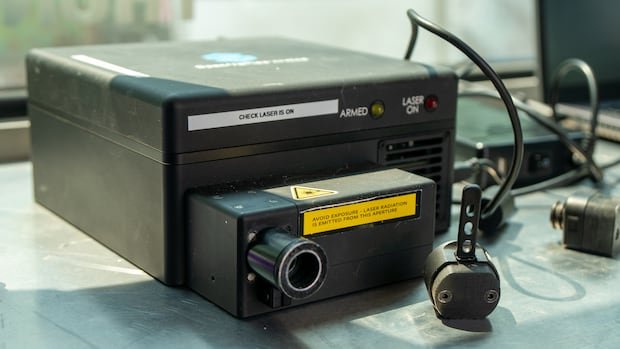
NorWest’s drug analyzer aids in identifying harmful substances and unexpected components in purchased substances, empowering drug users to make informed and safer decisions. The device employs Raman laser technology for scanning substances either through trace or bulk scans. Additionally, test strips for detecting fentanyl, benzodiazepines, and xylazine are available for individuals to take home.
The mobile outreach van operates from Monday to Friday, offering free and anonymous services from 8:30 a.m. to 4:30 p.m. Individuals are encouraged to contact NWCHC to locate the van at any given time. Moreover, it is recommended that people download the LifeguardConnect app, which provides various resources related to addiction and drug use, enabling users to set timers that alert emergency services if necessary.
Nicole Fieduna, operations manager at Thunder Bay’s Homelessness and Addiction Recovery Treatment (HART) Hub, stressed the importance of never consuming substances alone and always carrying naloxone to counteract opioid overdoses. The primary goal is to ensure that individuals engage in the safest possible drug use practices.