
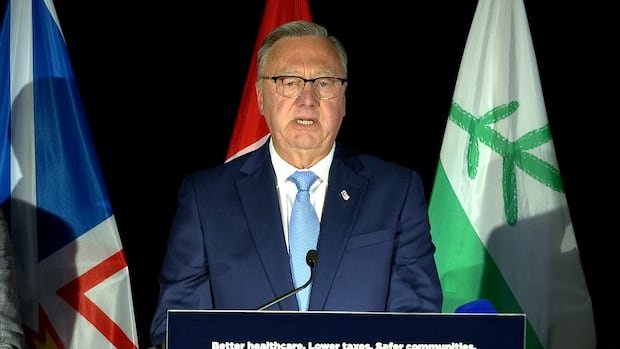

Tony Wakeham reiterated his intention to subject the Churchill Falls Memorandum of Understanding (MOU) to a public vote following his appointment as the new premier of Newfoundland and Labrador. During his victory speech in his constituency, Wakeham expressed determination to advance projects such as Churchill Falls, Gull Island, and the electrification of Labrador for the benefit of local communities. He has persistently advocated for an independent assessment of the MOU signed by the previous government with Quebec, suggesting that the province could secure a more favorable agreement.
Contrary to Liberal Leader John Hogan’s assertion that the current deal is optimal for both parties, Wakeham emphasized the importance of gauging public support for the MOU as he proceeds. He emphasized the need to involve experts in the evaluation process and stressed his commitment to thorough negotiations before presenting the finalized agreement to the residents of Newfoundland and Labrador for their input.
Newfoundland and Labrador Hydro CEO Jennifer Williams extended congratulations to Wakeham and expressed eagerness to collaborate with him. Meanwhile, Quebec Premier Francois Legault commended Wakeham and endorsed the existing agreement, asserting its mutual benefits. Hydro-Québec also affirmed progress toward a beneficial deal.
Despite support for the MOU, concerns have been raised by a local political scientist regarding the potential risks associated with a referendum and its impact on finalizing the deal within the specified timeframe. The expert highlighted the necessity of an independent review but cautioned that time constraints could complicate negotiations, especially if Quebec undergoes a change in leadership.
In summary, Wakeham’s pledge to subject the MOU to a referendum reflects his commitment to transparency and public participation in crucial decisions affecting the province’s future energy projects.