
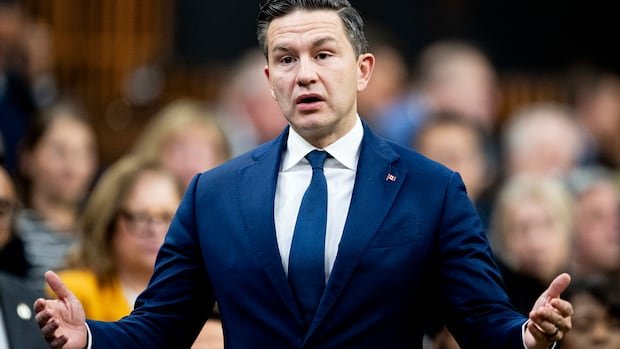

The Conservative and NDP factions are deliberating on their stance regarding the forthcoming federal budget and the potential ramifications of voting it down, as per multiple sources familiar with the matter. Senior Conservative figures indicate that while they are currently disinclined towards an election, they are hesitant to support the initial budget proposed by the new Liberal administration, citing concerns over aligning with Prime Minister Mark Carney and policies they do not endorse.
Speculation surrounds the possibility of the Liberals failing to secure adequate votes to pass the budget upon its presentation in the House. Conservative Leader Pierre Poilievre has outlined conditions for their support, such as abolishing the industrial carbon tax and capping the deficit below $42 billion. However, these demands are unlikely to be met as the government has shown no willingness to entertain them.
Furthermore, the Bloc Québécois has put forward costly demands, including enhanced Old Age Security benefits, increased health transfers to provinces, and interest-free loans for first-time homebuyers. Although the Liberals have agreed to some of the Bloc’s requests, the overarching fiscal restraint objective of the government may hinder the full implementation of these policies.
Discussions have taken place between the Conservatives, NDP, and the Bloc on how to navigate the budget vote. While the likeliest scenario involves some NDP MPs abstaining from voting, enabling the budget’s passage, the decisions of individual members within the small NDP caucus are pivotal in this regard.
The potential failure of garnering sufficient support for the budget could lead to a government collapse and a snap election before the year-end. The dynamics between the parties, particularly the considerations within the NDP and Conservative camps, will play a crucial role in determining the budget’s fate in the House of Commons.
Green Party Leader Elizabeth May has emphasized her opposition to any budget that includes fossil fuel subsidies, highlighting the importance of environmental considerations in budgetary decisions. The evolving landscape of inter-party negotiations and strategic alignments underscores the significance of the upcoming budget vote in shaping the political landscape.