
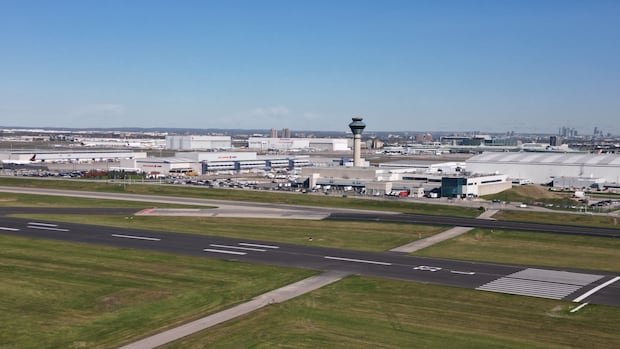

Prime Minister Mark Carney expressed his desire for private investors to assume control of operations at the four largest airports in Canada, located in Toronto, Montreal, Calgary, and Vancouver. During a government-led investment summit in Toronto, he unveiled the plan, which involves retaining federal government ownership of airport land and assets while shifting focus to smaller regional airports to potentially lower traveler expenses.
Under Carney’s proposal, investors could oversee airport operations for designated lease periods, with Transport Canada retaining regulatory authority. The plan may necessitate legislative modifications, according to Karen Hennessey, a business law partner at Gowling WLG in Ottawa. She outlined the need for a concession agreement, akin to a lease, incorporating government expectations on various operational aspects.
The concession holder would seek clarity on investment commitments and regulatory frameworks. Hennessey emphasized the importance of striking a balance between competing interests in these commercial arrangements. While such agreements could materialize within six to nine months with mutual motivation, negotiations might extend longer, prioritizing a well-structured deal over speed.
Although privately operated airports are uncommon in North America, a study in the Journal of Air Traffic Management revealed that over half of the top 100 busiest airports globally had some form of private sector involvement. Carney highlighted Canadian pension plans’ existing investments in foreign airports, aiming to leverage their expertise domestically.
While opposition parties like the NDP and Bloc Québécois voiced concerns about increased traveler costs under Carney’s privatization plan, the Conservative Leader Pierre Poilievre called for a detailed policy review before forming a final opinion. Previous attempts to privatize Canadian airports under former Prime Minister Justin Trudeau’s administration faced mixed feedback, leading to the government’s decision in 2018 not to proceed with airport sales.
The proposed changes signify a potential shift in the operational landscape of Canada’s major airports, aiming to leverage private investments while retaining regulatory oversight to enhance operational efficiencies and potentially reduce traveler expenses.