
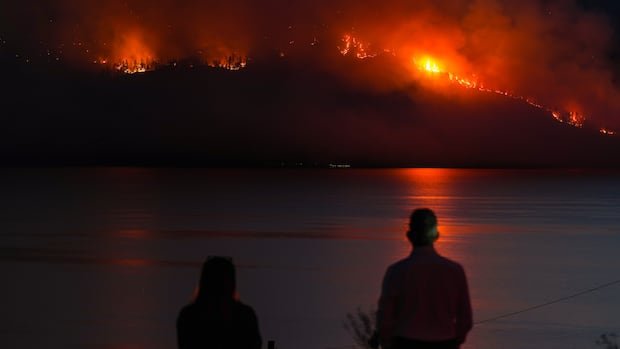

A significant Pacific Ocean warming event, commonly referred to as a “super” or “Godzilla” El Niño, is currently underway, impacting global weather patterns. This occurrence coincides with record-breaking heat in North America and Europe, leading to heat-related fatalities, droughts, and wildfires. While experts suggest that the El Niño is not directly responsible for these extreme weather events, they warn that its effects could exacerbate the already intensified climate conditions influenced by human-induced climate change.
According to climate scientist Josh Willis from NASA’s Jet Propulsion Laboratory, the upcoming El Niño is predicted to have widespread and substantial impacts across a vast geographical area. This event is expected to disrupt weather patterns, causing contrasting effects such as increased rainfall in dry regions and drought in traditionally wet areas.
The current El Niño, which began forming in the spring and early summer, might reach its peak influence on northern regions like Canada during late fall and winter. Scientists, including Muhammad Azhar Ehsan from the Center for Climate Systems Research at Columbia University, are closely monitoring this unprecedented El Niño, anticipating effects similar to the strongest El Niños recorded in recent history.
Models project that the upcoming winter in Canada and the northern U.S. will be warmer than usual due to El Niño, with British Columbia’s south coast likely to experience reduced precipitation and snowpack levels. Conversely, the southern U.S. is expected to face wetter conditions. In regions like Peru, Ecuador, and Indonesia, the El Niño is already causing heavy rains, floods, and prolonged wildfire seasons.
As the El Niño event unfolds in a world already affected by climate change, experts like Zachary Labe from Climate Central underline the compounding effects of these phenomena. They anticipate that the impacts of this El Niño will persist well into 2027, influencing global weather patterns and extreme events for months to come.