

A researcher from Dalhousie University is seeking to engage with individuals in Atlantic Canada who have relocated due to climate-related risks or impacts. Robin Willcocks-Musselman, a PhD student at Dalhousie, is investigating the challenges faced by people when they move and how their emotional connection to a specific place influences this process.
Willcocks-Musselman emphasizes the lack of research on the emotional and psychological effects of relocation, highlighting the stress, trauma, and feelings of loss that can arise when people’s attachments to a place are disrupted. Understanding these impacts could potentially help mitigate negative effects on mental health and overall well-being.
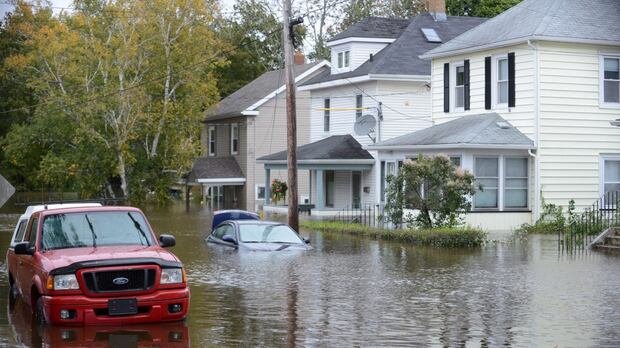
Climate change has led to more frequent and severe weather events globally, making communities in Atlantic Canada increasingly vulnerable to hazards like floods, fires, and heatwaves. Some areas in the region, such as along the St. John River in New Brunswick and neighborhoods in Sydney, N.S., have witnessed residents relocating due to climate-related consequences, including property damage and loss.
Forced relocations, like that of Terry Drohan following the 2016 Thanksgiving flood in Sydney, can be traumatic experiences. Drohan recounts the emotional toll of losing his home and community, underscoring the lasting impact beyond practical concerns like finding new housing and dealing with insurance matters.
Willcocks-Musselman’s study aims to identify strategies that policymakers can implement to support individuals moving due to climate-related risks. Suggestions include offering counseling services and logistical assistance to ease the relocation process for those affected by disasters. The researcher is specifically looking for participants aged 19 and above, residing in Atlantic Canada, who have permanently relocated due to climate-related risks such as sea level rise, flooding, wildfires, or erosion.
Individuals interested in participating in the study can reach out to Willcocks-Musselman at rwillcoc@dal.ca. Feedback from interviewees so far has indicated gratitude for the opportunity to share their stories and have their experiences acknowledged.
The study seeks to shed light on the emotional and mental challenges faced by those forced to move due to climate-related risks, with the ultimate goal of informing supportive policies for affected individuals.