
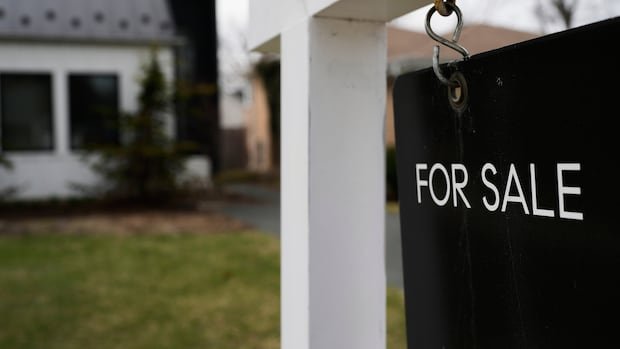

TD Economics has revised its predictions for home sales and prices in 2026, anticipating a decline rather than an increase due to lackluster performance in recent quarters. The new forecast projects a 1.8% drop in sales and a 0.3% decrease in home prices nationwide. This marks a significant shift from the initial forecast of a 9.3% surge in sales and a 4.1% rise in prices.
Economist Rishi Sondhi explained that the sluggish housing activity is likely to persist throughout the year as the market continues to grapple with economic challenges, uncertainty, and rising living costs. The report highlighted that Central and Atlantic Canada faced disruptions due to severe weather, while even regions like British Columbia experienced weakened conditions.
Ontario and British Columbia received the most substantial downgrades in both sales and prices following notable declines in the first quarter. Affordability issues and a wait-and-see approach among potential buyers are contributing to the subdued market sentiment in these provinces.
The report also mentioned ongoing risks, such as geopolitical tensions in the Middle East, which could impact the housing market dynamics. Despite the current downturn, TD Economics foresees a rebound in home sales in 2027, driven by better economic conditions and job market stability, which could lead to a 2.7% increase in average prices.