
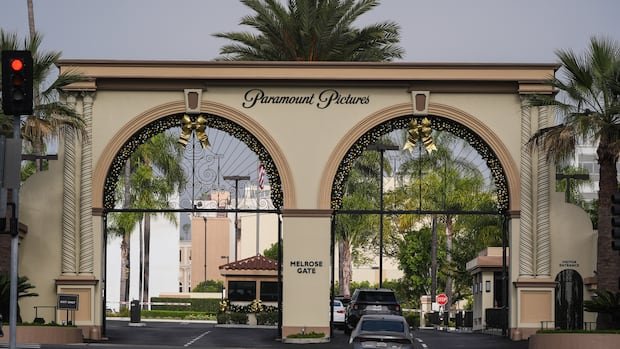

Warner Bros. Discovery announced that Paramount has increased its bid to acquire the company to $31 US per share, potentially sparking a new bidding battle with Netflix for control of the Hollywood giant. Paramount had initially offered $30 US per share in its all-cash hostile bid made directly to Warner stakeholders in December, shortly after Warner had struck a deal with Netflix to sell its studio and streaming business for $27.75 US per share.
In addition to raising the purchase price, Paramount also raised the regulatory termination fee to $7 billion US. The company agreed to expedite the “ticking fee” promised to shareholders in case the deal falls through by the end of September, now set at 25 cents per share or $650 million US.
Warner acknowledged the revised offer from Paramount and stated that it could potentially result in a superior offer compared to Netflix under the current agreement. However, Warner’s board is yet to make a final determination on whether Paramount’s offer surpasses that of Netflix.
Netflix declined to comment on the matter when contacted on Tuesday afternoon.
A potential acquisition of Warner Bros. Discovery would significantly alter the Hollywood and media landscape, consolidating properties such as HBO Max, iconic franchises like “Harry Potter,” and possibly even CNN under a single entity, depending on the outcome of the Netflix versus Paramount competition.
While Paramount aims to acquire Warner Bros. in its entirety, including networks like CNN and Discovery, Netflix is solely interested in the studio and streaming business of Warner. Warner’s board has been supportive of the Netflix deal and reiterated its commitment to the agreement.
Should Warner’s board deem Paramount’s offer superior, Netflix would have the opportunity to match or revise its proposal within four days or opt to withdraw from the bidding process.
The ongoing battle between Paramount, Warner, and Netflix has raised concerns among lawmakers and industry groups regarding further consolidation of power in the entertainment sector. Critics fear potential job losses, decreased diversity in filmmaking, and increased costs for consumers as streaming subscriptions rise.
Antitrust issues loom large, with regulatory approvals becoming a key factor in determining the outcome of the Warner sale. The U.S. Department of Justice has initiated reviews, and similar actions are anticipated in other countries as well.
Both Paramount and Netflix have defended their proposals as beneficial for consumers and the industry, each presenting regulatory arguments against the other. Paramount has emphasized Netflix’s larger market value, suggesting that a merger would enhance the streaming giant’s dominance in the video-on-demand space. In contrast, Netflix has argued that it competes with broader video libraries like YouTube and plans to expand Warner’s studio and film distribution operations.
Political considerations add another layer to the situation, with President Donald Trump’s connections to Paramount through Oracle founder Larry Ellison, a key supporter of Paramount’s bid for Warner. Trump had initially hinted at involvement in the deal but later clarified that regulatory approval would be left to the Justice Department.
Under new ownership, CBS has witnessed editorial changes, potentially foreshadowing shifts at Warner’s CNN if Paramount’s bid succeeds. Trump’s public criticism of Paramount, particularly regarding editorial decisions at CBS’ “60 Minutes,” underscores the political complexities surrounding the acquisition saga.