
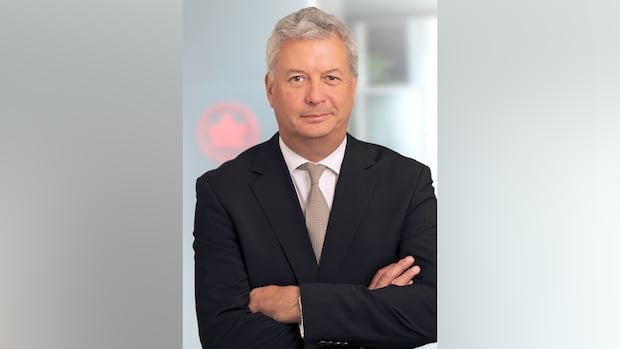

Air Canada’s president and CEO, Michael Rousseau, is set to retire in the fall after a tenure of almost two decades with the airline. The announcement came following his English-only condolence message regarding the tragic Flight 8646 crash in New York. The decision aligns with the company’s CEO succession planning that has been ongoing internally for over two years.
Rousseau, in an internal communication obtained by Radio-Canada, expressed his pride in serving the airline but acknowledged that the time had come for his retirement. He will continue leading the company and serving on its board of directors until the end of the third quarter.
Flight 8646, departing from Montreal, met with a fatal accident upon landing at LaGuardia airport on March 22, resulting in the loss of two pilots and injuries to numerous passengers. Rousseau extended his sympathies to the victims’ families through a video message, which drew criticism for being predominantly in English, despite the company’s bilingualism policy.
The incident sparked a debate among political figures, with Prime Minister Mark Carney, Bloc Québécois Leader Yves-François Blanchet, and Quebec Premier François Legault weighing in on Rousseau’s language choice. Following public outcry, Rousseau issued an apology, regretting his inability to speak French adequately.
Rousseau’s retirement announcement drew mixed reactions from politicians, with calls for a bilingual successor. Transport Minister Stephen MacKinnon thanked Rousseau for his service, while Quebec politicians emphasized the importance of a French-speaking CEO for Air Canada.
An analyst highlighted the necessity for the next CEO to be bilingual, citing Rousseau’s previous language-related controversies. The pressure from political leaders and public opinion likely influenced Rousseau’s prompt decision to retire.
Overall, the unfolding events have underscored the significance of linguistic diversity and sensitivity in leadership roles within Canadian organizations.