
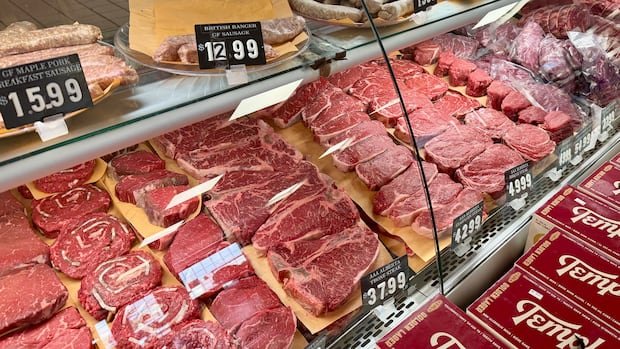

As Canadians gear up for summer barbecues, many are grappling with the steep prices of steak and hamburgers. Beef costs have soared by 62.6% since 2021, reaching record highs due to prolonged droughts, reduced cattle herds, and escalating production expenses.
Recent data from Statistics Canada, as of April, indicates a 12.5% increase in beef prices over the past year, with a peak surge of 17.7% in November 2025. Consumers like Linda Brown in Calgary express frustration over the exorbitant prices, noting the significant impact on their grocery bills.
The surge in prices is primarily attributed to the limited cattle supply, a lingering effect of past droughts. Despite this, consumer demand for beef remains robust, reaching record levels as per industry experts.
The beef industry analysts point out that the current price hikes stem from challenges that emerged several years ago. Severe drought conditions in Canada, the United States, and Mexico in 2021 led ranchers to downsize their herds due to feed shortages and poor pasture conditions. Consequently, prices have progressively risen, with the Canadian beef herd at its lowest level in four decades.
There are signs of a gradual recovery now, with the Canadian cattle herd witnessing its first growth since 2018. This positive trend is reflected in the increasing number of cattle and calves, which rose by 2.5% to 11.1 million at the start of this year, according to Statistics Canada.
Kent Holowath, managing 175 cows near Rumsey, Alberta, mentions the positive shift in prices, with calf prices rising from $2.20 to $7 per pound. However, the escalating costs present challenges for ranchers looking to expand their operations.
Despite the upward trend in prices, consumers are adjusting their beef purchases by opting for more economical cuts such as brisket and chuck roast or exploring alternatives like chicken and pork. The higher prices are also impacting the profit margins of retailers like Greg Keller at the Bon Ton Meat Market in Calgary.
Looking ahead, the recovery of cattle herds will depend significantly on weather conditions. While some producers are capitalizing on high prices to expand their herds, overall supply remains constrained. Experts anticipate that prices will remain stable in the near term, with imports supporting the market.
Even with the current high prices, Canadians’ love for beef remains unwavering. The strong demand for proteins globally continues to bolster the market. However, until supply aligns with demand, consumers may not see significant changes in beef prices at grocery stores anytime soon.