
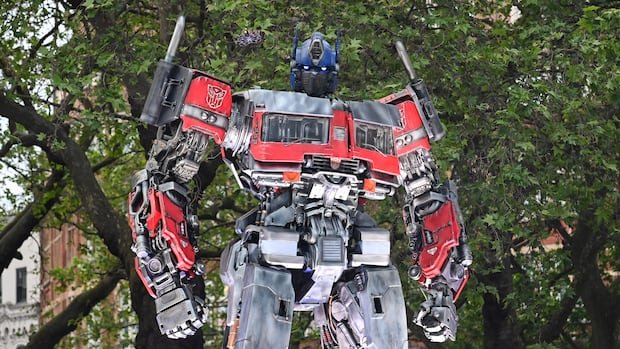

In a groundbreaking development, Hasbro, the renowned American toy and gaming company, has introduced artificial intelligence versions of 12 iconic characters from franchises like Transformers, Power Rangers, G.I. Joe, Monopoly, and Magic: The Gathering. This move, experts believe, not only brings excitement but also potential risks for children.
The AI characters, including Optimus Prime, Megatron, G.I. Joe’s Cobra Commander, Mr. Potato Head, and the cast of Clue, are now available for licensed use in various experiences and enterprise scenarios. Through Hasbro’s Sixth Wall AI studio and a partnership with ElevenLabs, these characters are set to become interactive brand ambassadors, possibly engaging in conversations with users.
Hasbro’s innovative step stems from the prevalence of unauthorized versions of popular characters in various digital platforms. The company’s new “behavioural licensing” approach ensures that characters’ actions, thoughts, and speech are controlled through CharacterOS, maintaining safety measures during interactions.
CEO Chris Cocks emphasized that this initiative expands avenues for play and storytelling while preventing unauthorized use of characters. Notably, the focus is on individuals aged 13 and above, with no current plans for AI products targeting young children to ensure adherence to safety standards.
Meanwhile, concerns have arisen regarding the impact of AI characters on relationships and advertising. Experts worry about children forming parasocial relationships with these characters and being influenced by persuasive AI-driven advertising. Privacy issues also arise as data collection methods remain unclear, potentially leading to tailored marketing strategies based on user interactions.
Moreover, Steve DiPaola, a professor at Simon Fraser University, noted that the trend of interactive experiences aligns with Hasbro’s move but expressed reservations about controlling fictional characters’ behavior and speech. He cautioned that altering characters’ authenticity could affect fans’ perceptions and emphasized the importance of maintaining characters’ integrity in brand interactions.