
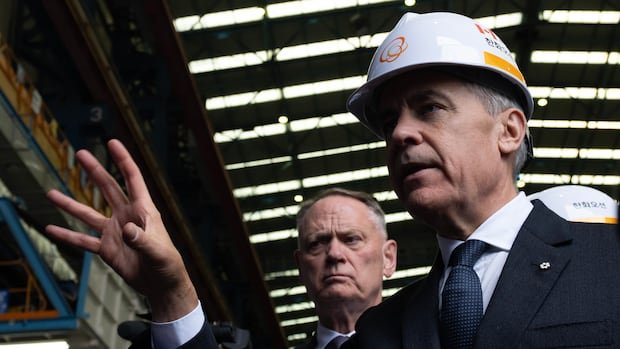

The Canadian government has allocated an additional $81.8 billion for the military over a five-year period in its latest federal budget. However, the budget lacks specific details on how the funds will be utilized and does not provide a clear roadmap to meet NATO’s defense spending target of five percent of GDP.
The financial plan includes increased funding for recruitment, training, new equipment, defense infrastructure, and cybersecurity enhancements. Additionally, $2.7 billion has been earmarked to support ongoing military operations in Latvia and the Middle East.
Finance Minister François-Philippe Champagne described Budget 2025 as the largest defense investment in decades. The budget aims to fulfill the NATO two percent commitment, modernize NORAD, strengthen Arctic defenses, and equip the Canadian Armed Forces with necessary infrastructure and technology.
While the budget outlines a boosted investment of $6.6 billion in the defense industry over five years and allocates funds for the establishment of the Defense Investment Agency, it does not specify the military equipment to be procured, including submarines.
The budget presents a general overview of defense spending projections over five years without a detailed breakdown for individual fiscal years. The government has not disclosed the exact defense appropriation for the upcoming year, with the current projected defense expenditure at $62 billion.
Despite commitments to increase defense spending to two percent of GDP by the end of the fiscal year and five percent by 2035, the budget lacks clarity on achieving these targets. Experts question the feasibility of meeting these ambitious goals without detailed spending plans.
The budget mentions retiring certain equipment for cost-saving purposes and emphasizes defense-related initiatives such as supporting Canadian defense exports and critical mineral extraction. It also highlights investments in Arctic infrastructure and aims to strengthen research centers and communities in the North while creating job opportunities in aerospace, shipbuilding, cybersecurity, and AI sectors.
Overall, the budget provides a broad outline of defense investments and initiatives, but the lack of specific details raises concerns about the government’s ability to meet its defense spending commitments.
This article was originally published on CBC News.