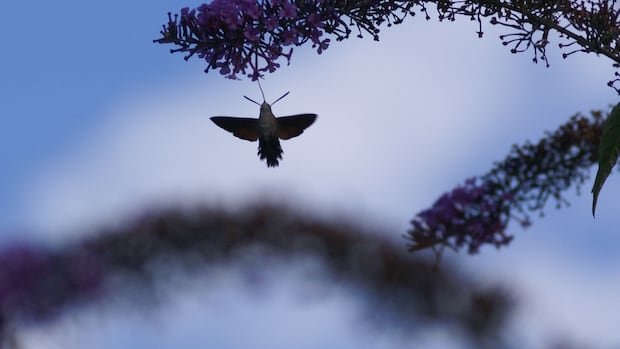

Recollections of summer evenings filled with moths and mayflies swarming around lights or road trips resulting in bug-covered windshields may evoke a sense of change for many individuals. Scientists confirm this feeling, noting a decline in insect populations not only in Canada but globally, impacting various ecosystems.
Research conducted by York University’s PhD student Hadil Elsayed in southern Ontario revealed a significant decrease in the total insect mass collected at protected sites over the past few decades. A citizen-science initiative in the U.K. also highlighted a sharp decline in flying insects, echoing similar studies worldwide.
Diminishing Insect Populations
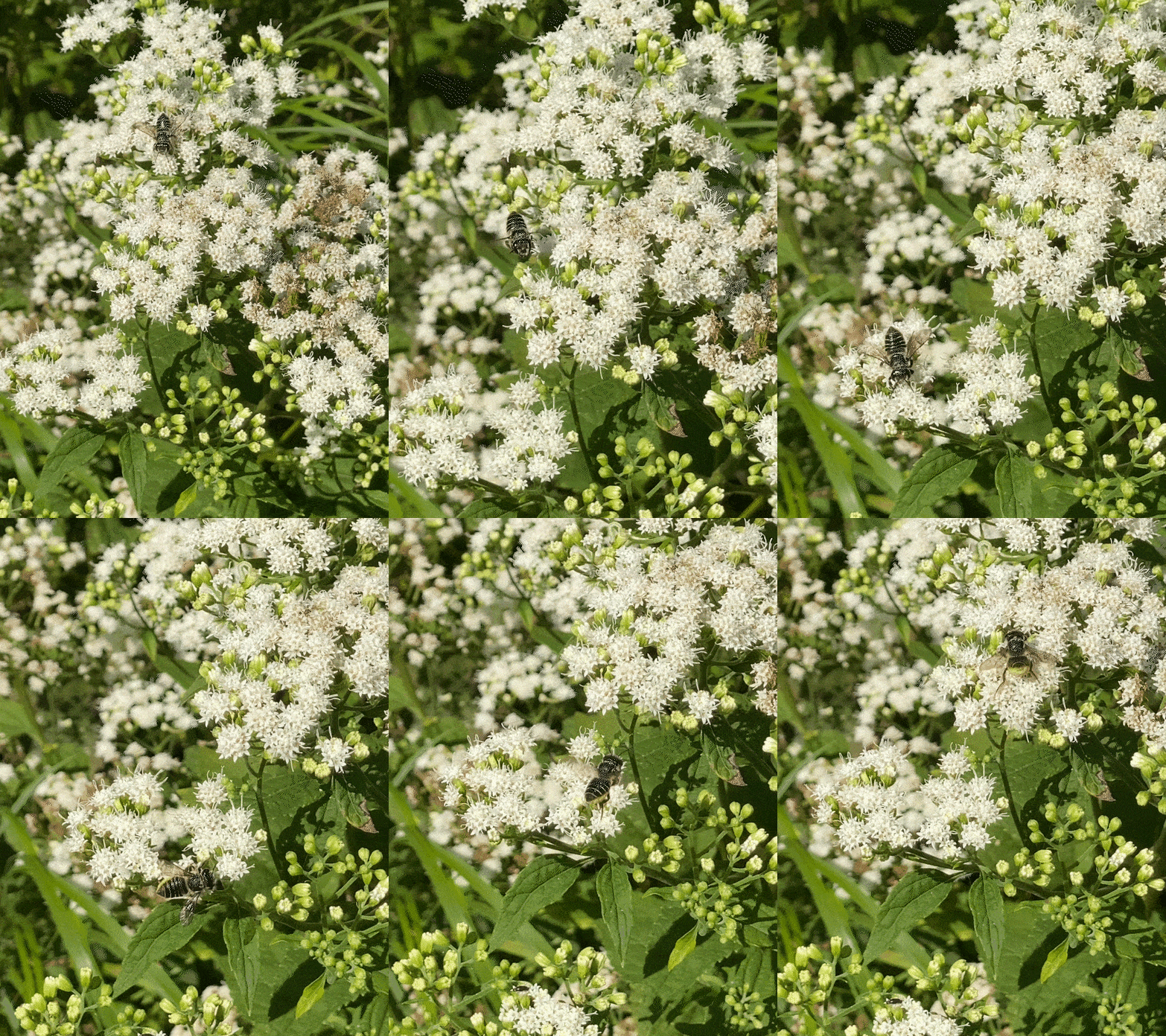
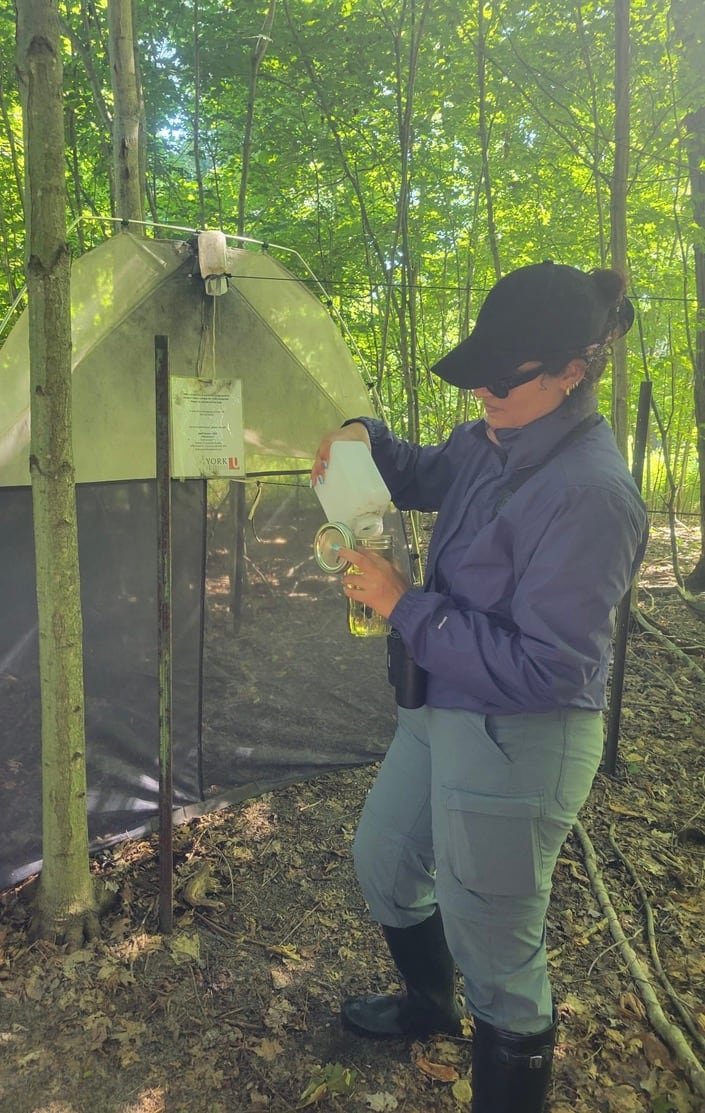
Through meticulous research spanning from 2021 to 2023, Elsayed monitored insect populations in southern Ontario, uncovering a concerning decline in insect mass compared to data from the 1990s. Her findings, although not yet peer-reviewed, revealed a drastic 50% drop in trapped insect mass over the past three decades.
These findings align with a recent study by researchers from the University of Michigan and Birds Canada, indicating a substantial decline in flying insects at the Long Point Bird Observatory. The implications of these declining insect populations are far-reaching.
Notably, Elsayed’s research highlighted a significant decline in midges, crucial tiny insects that serve as a vital food source for various wildlife. The observed insect loss equated to a staggering 640 million midges, emphasizing the severity of the situation.
Flies, including midges and mosquitoes, were among the most impacted insect species, with declines also noted in butterflies and beetles, underscoring the widespread nature of the issue.
The Impact and Concern
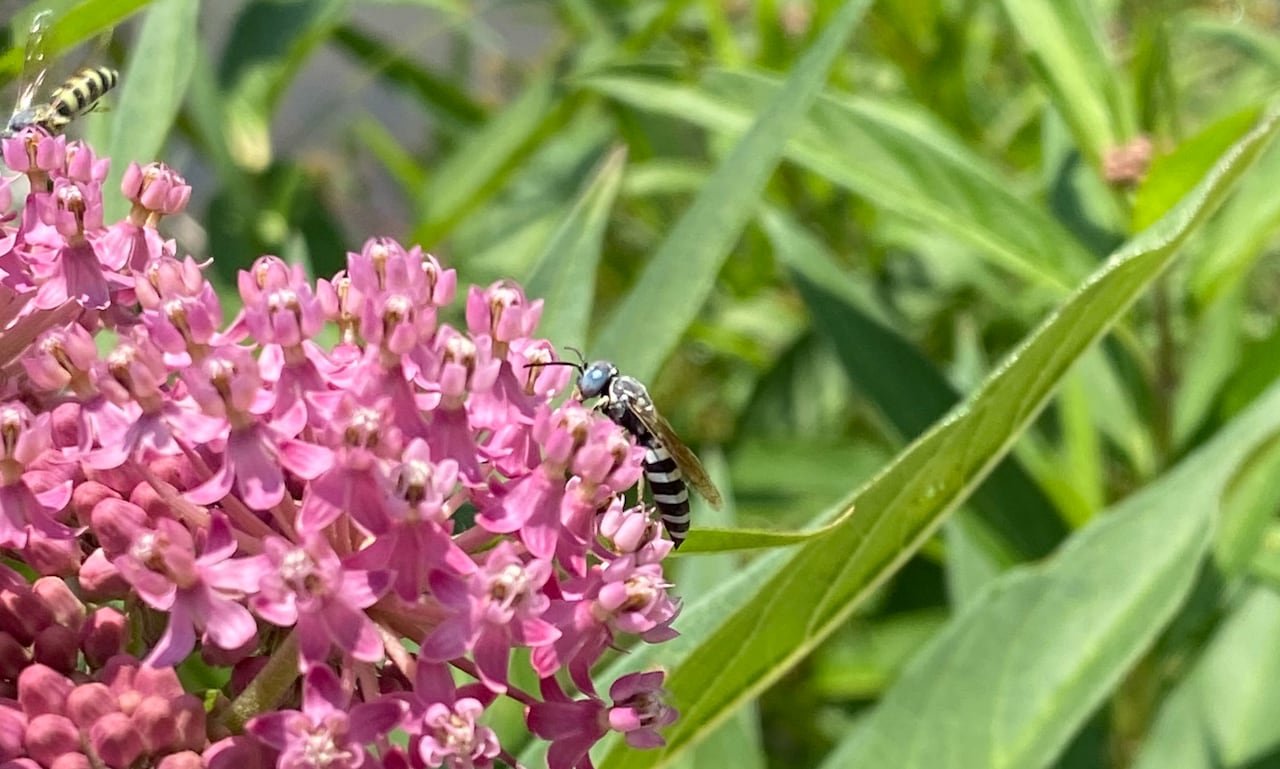
Conservationist Andrew Whitehouse emphasized that the decline of common insect species holds more significant implications than the extinction of rare species. Common insects play critical roles in ecosystem functions such as pollination and decomposition.
Whitehouse, from Buglife in England, stressed the urgent need for insect conservation efforts globally, citing alarming studies indicating potential mass extinctions of insect species within decades due to various factors like habitat loss, pesticides, and climate change.