
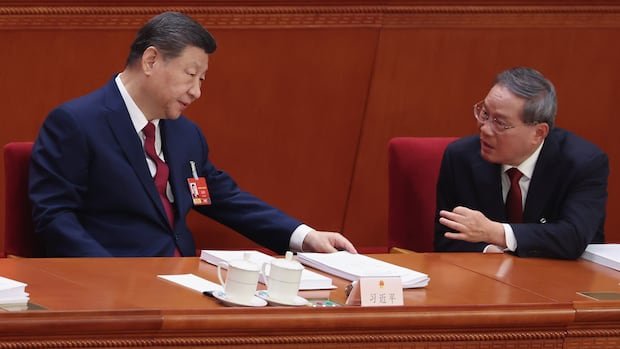

China’s most recent economic development plan had been drafted prior to the significant conflict initiated by the United States and Israel in the Middle East. However, during the opening speech of the “Two Sessions” by Chinese Premier Li Qiang in Beijing, some adjustments reflecting the evolving global landscape were apparent.
Premier Li highlighted the importance of domestic resilience in the world’s second-largest economy, acknowledging ongoing trade tensions with the U.S. and labeling the external economic environment as increasingly complex. This complexity was further emphasized by recent events in Iran, a significant ally and oil supplier that has faced severe military actions.
China’s consistent support to Iran in various aspects, such as oil purchases and technology supply, had enabled Iran to maintain its military capabilities despite international sanctions. Following the outbreak of conflict, China condemned the actions in Iran but refrained from direct involvement, despite being a major consumer of Iranian oil.
The latest economic strategy of China aims at achieving around five percent annual GDP growth, focusing on areas like robotics, renewable energy, and artificial intelligence. This plan demonstrates China’s confidence in its ability to withstand short-term economic shocks, including those related to the ongoing crisis in the Middle East.
While the conflict in the Gulf remains a concern, China’s primary security focus remains on issues closer to home, particularly the Taiwan Strait. The government reiterated its commitment to reunify Taiwan and emphasized increased military spending to support this goal.
In light of President Trump’s upcoming visit to Beijing, China appears more inclined towards stabilizing economic relations with the U.S., given their significant roles in the global economy. Leveraging predictability and emphasizing diplomatic engagements, China aims to navigate through economic uncertainties and geopolitical challenges effectively.
The evolving narrative in China’s foreign policy underscores the country’s strategic priorities and its approach to global affairs. As China positions itself as a reliable trade partner and a mediator in potential conflicts, the nation’s economic stability and diplomatic engagements take precedence in shaping its role on the international stage.